

Read the latest news and stories from CBM Australia’s work helping people with disabilities living in the world’s poorest places.
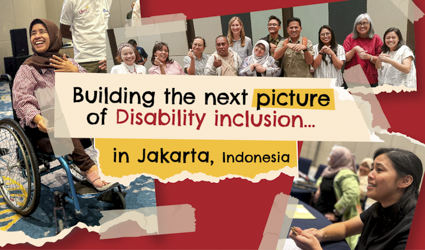
Shaping the Future of Inclusive Development in Indonesia
In February, CBM Global Indonesia brought together 48 participants from 11 partner organisations, Organisations of Persons with...
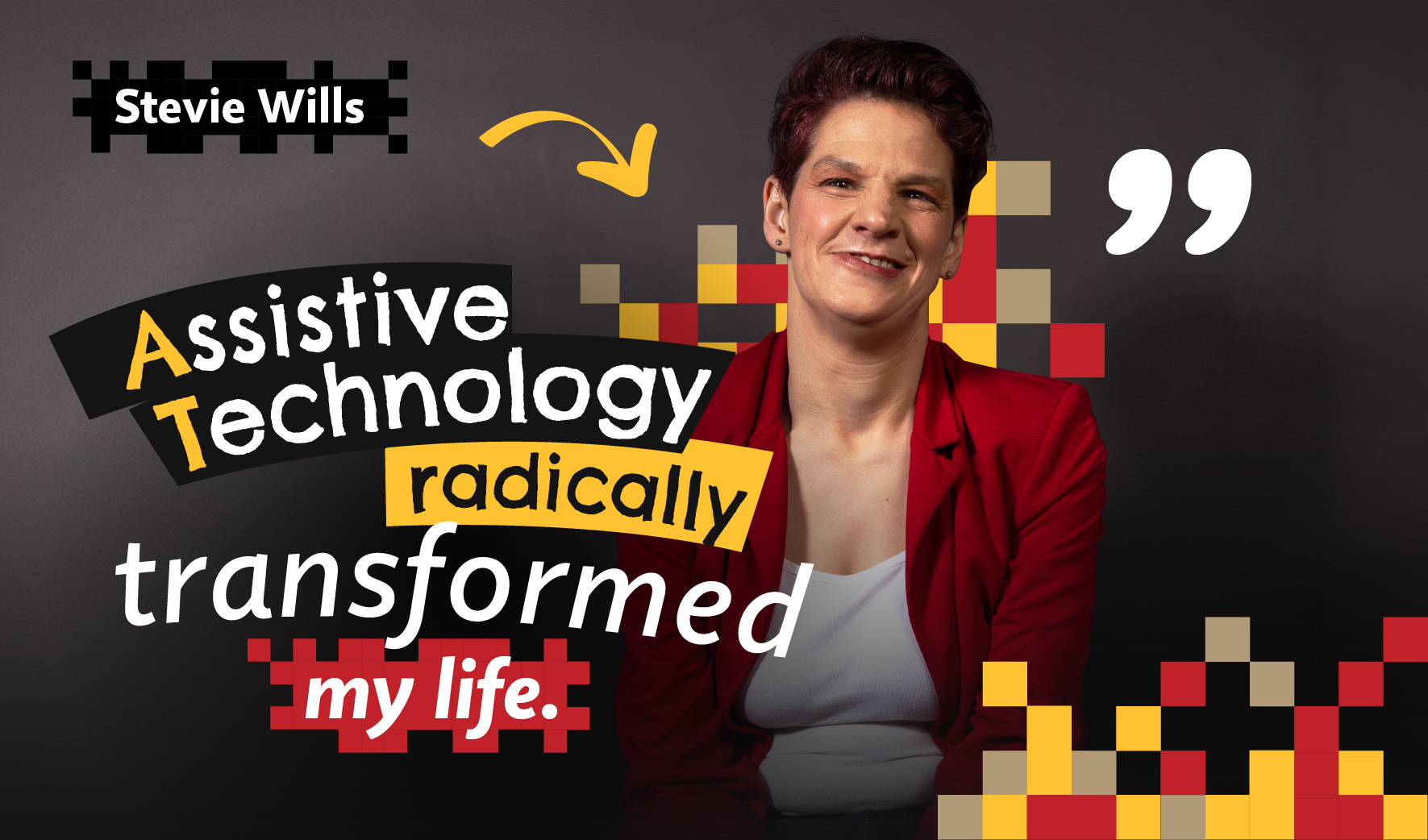
AI and Assistive Technology Casts Expansive Possibilities for International Inclusive Development
Stevie Wills shares how AI-powered assistive technology transformed her...
Assistive Technology: opening doors to independence and opportunity
Assistive technology can be life changing. For people with disabilities,...
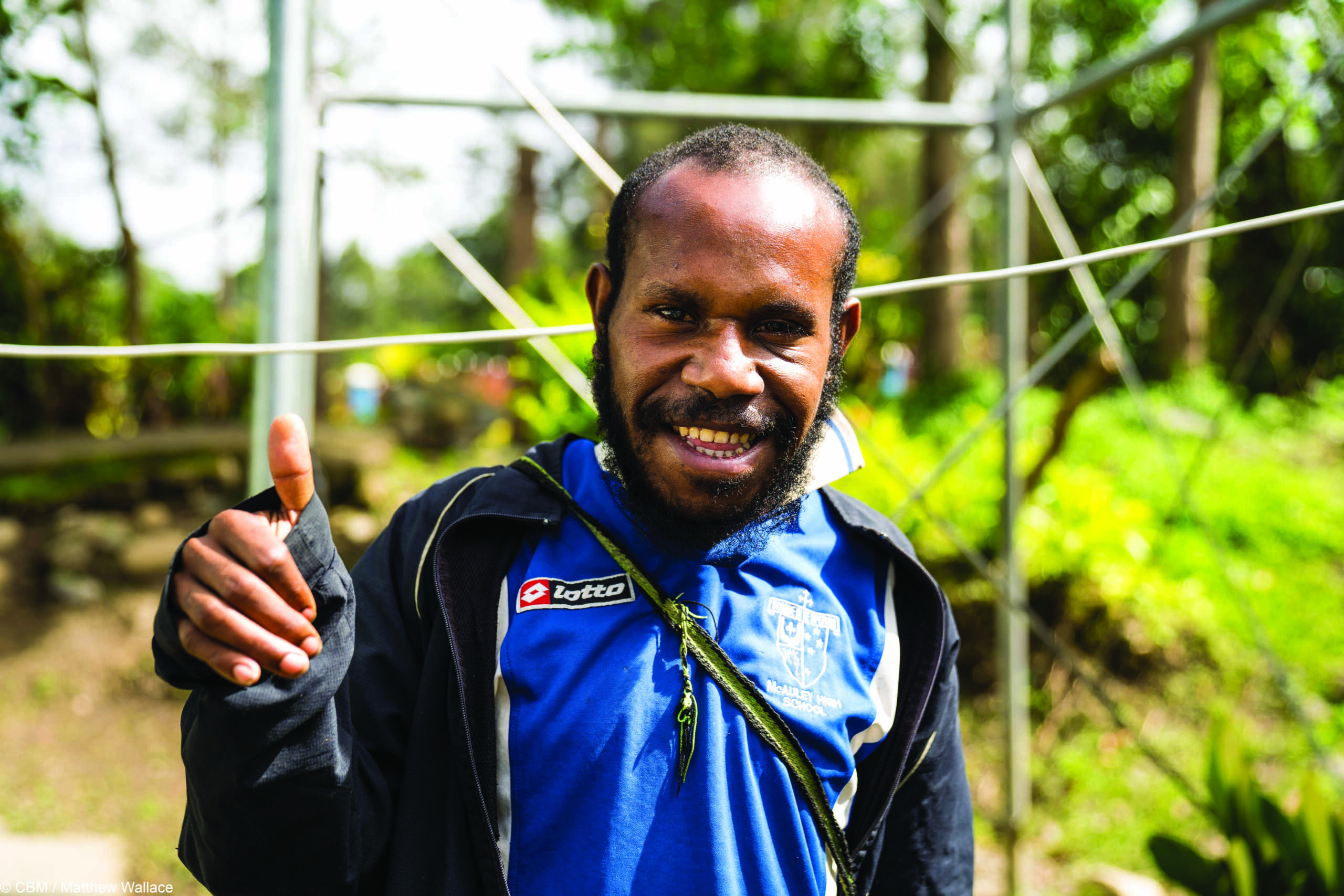
Jack sees his son for the first time
Jack, 26 years old from Papua New Guinea, is no stranger to adversity. When he was younger, tribal fighting broke...
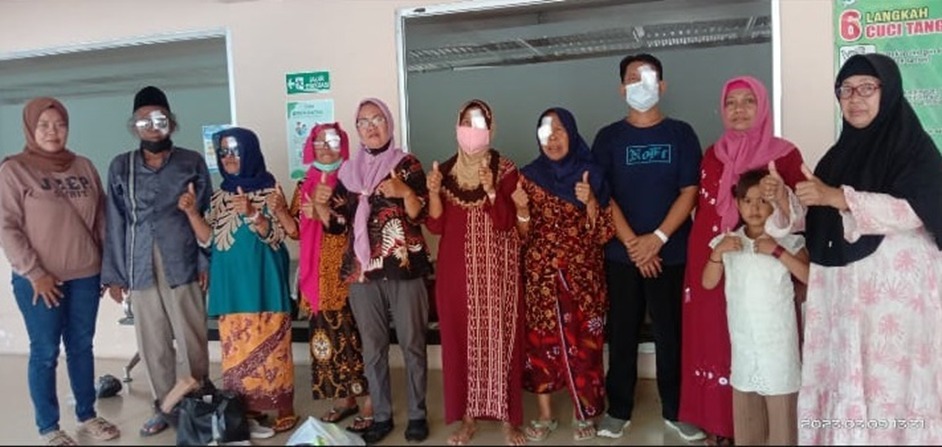
Challenging misconceptions: Spreading the good news about cataract surgery
Cataracts are the leading cause of blindness worldwide. Despite...
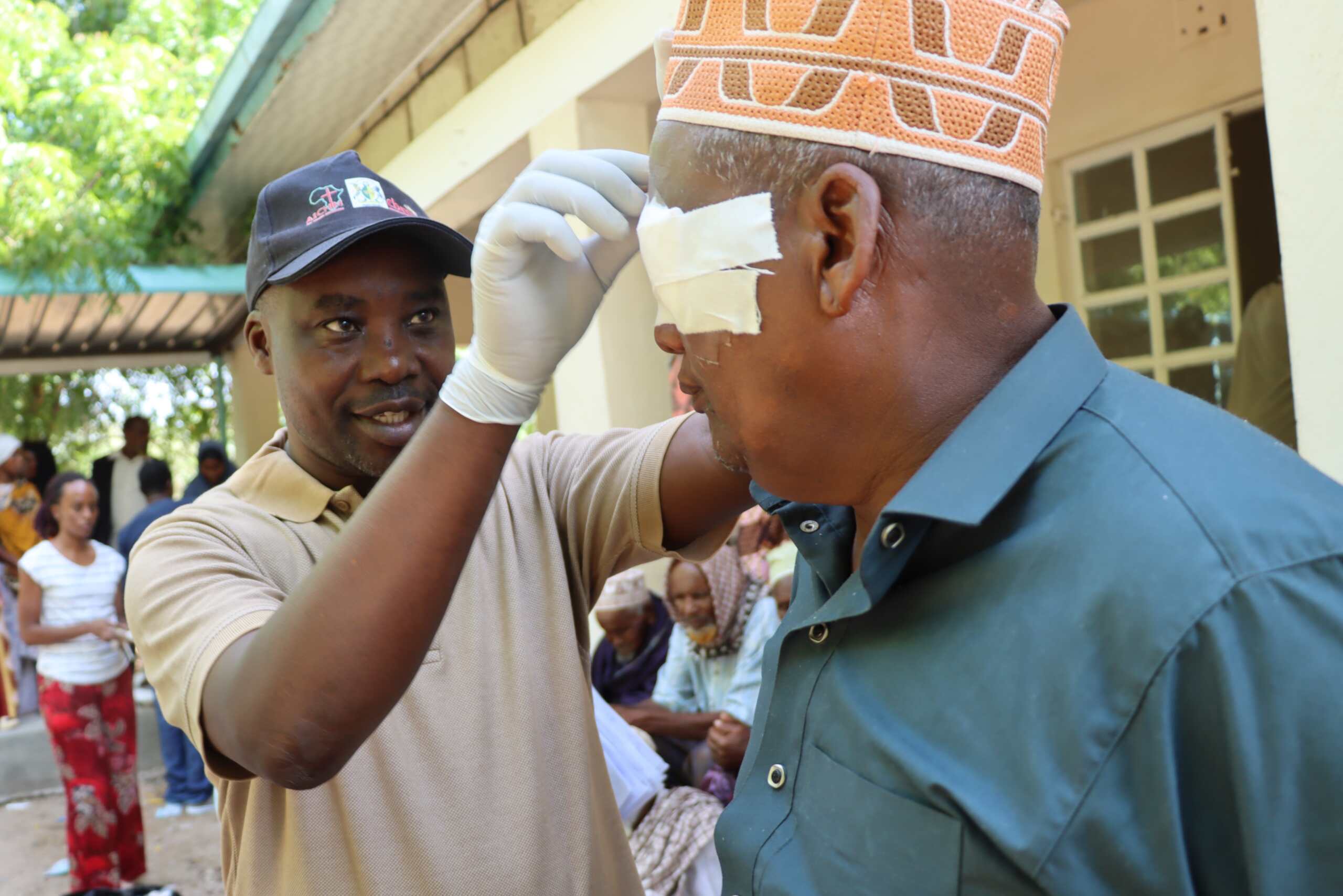
Improving eye screening technology
For a long time, access to local eye care services in remote areas of Isiolo county has been basically non-existent. This has meant that...
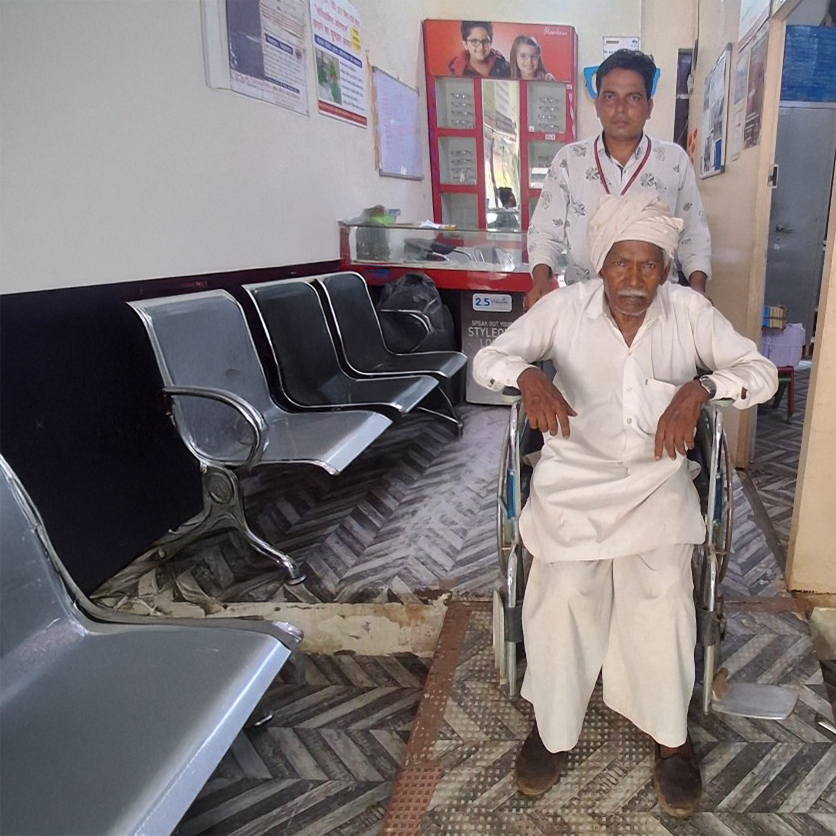
Vision for all: Why access to eye health is a precondition for inclusion
For millions of people in India, particularly those living...
From Exclusion to Empowerment: Adrian’s Journey and the Impact of Disability-Inclusive Resilience Building in Bungoma County
CBM takes a looks behind the scenes and chats...
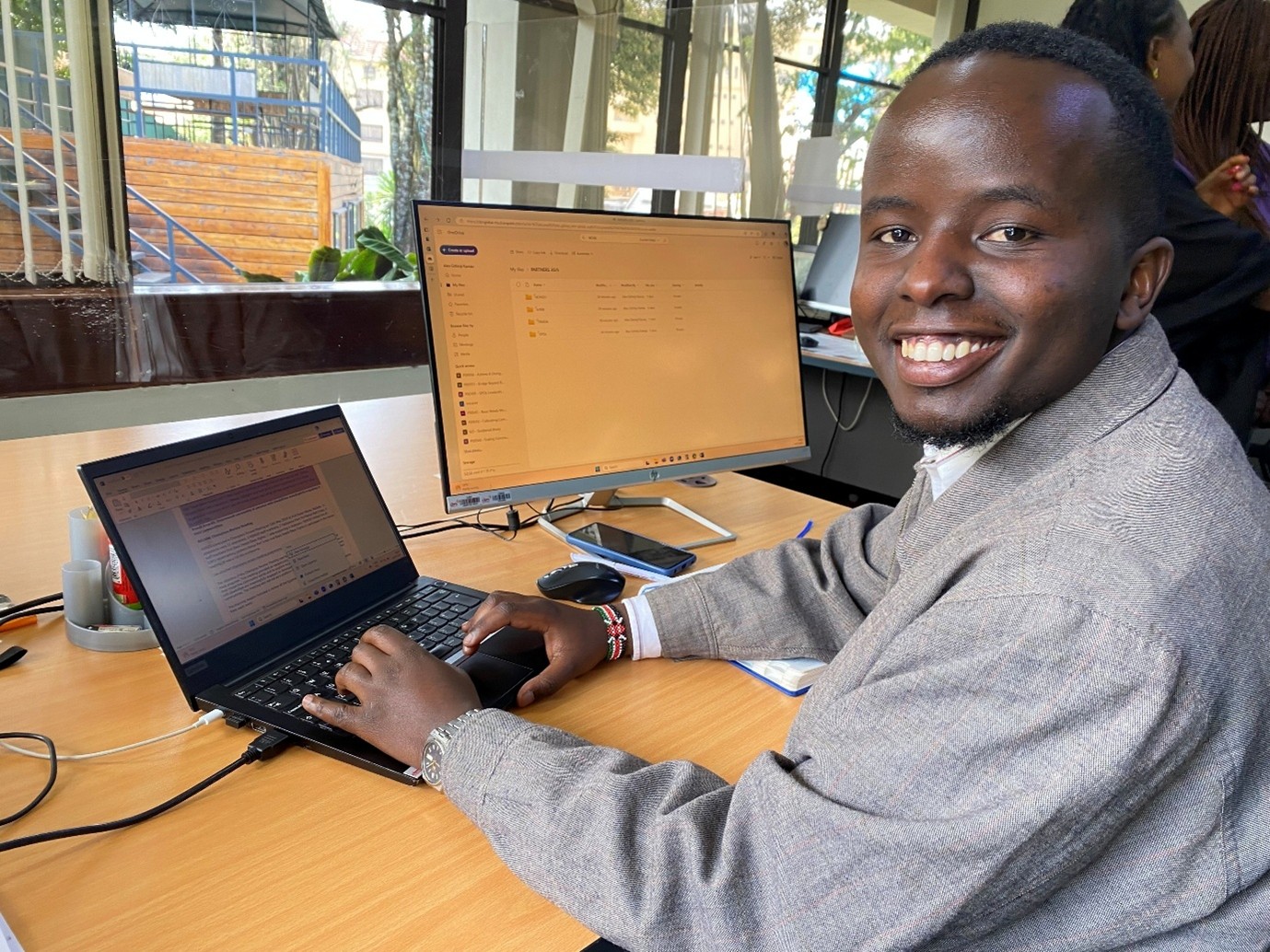
Working together: Alex from CBM Global Kenya
CBM takes a looks behind the scenes and chats to Alex Githinji who is a programme officer in the...
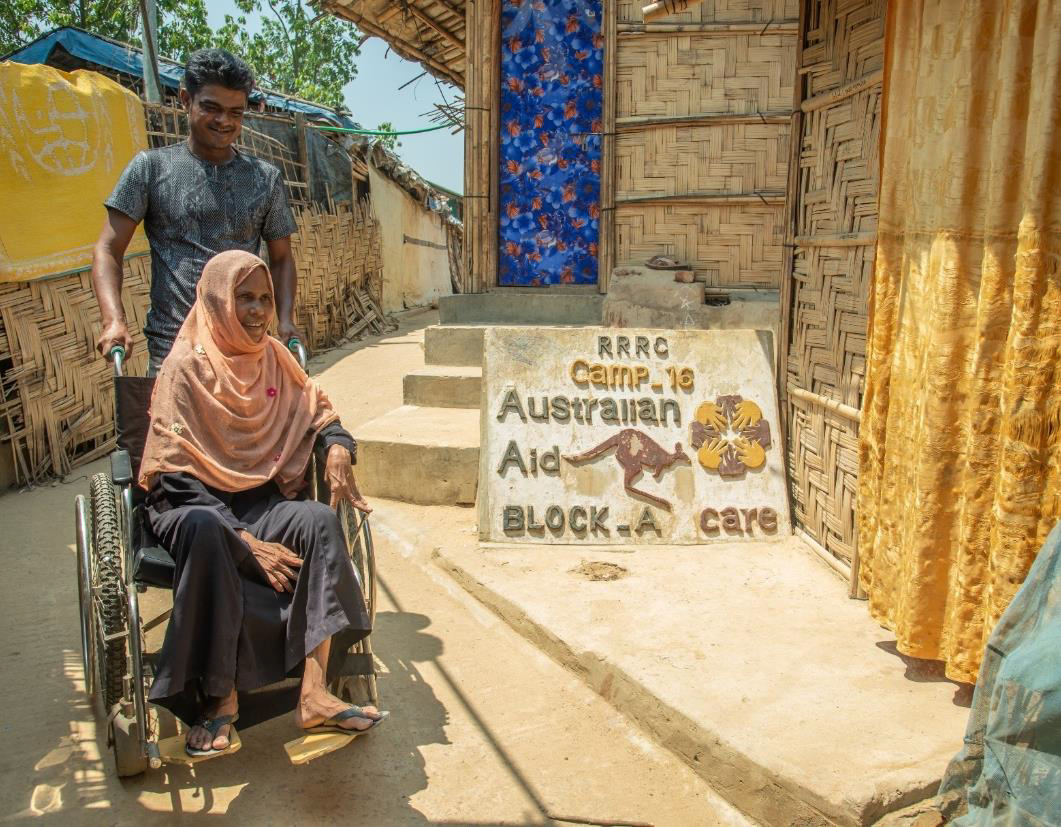
Innovative modalities and ways of working
CBM’s Inclusion Advisory Group (CBM IAG) works with a diverse range of partners to advance disability inclusion, equity, and rights, strengthening policy and...
Week 6 – Lent series 2026
As we draw closer to Lent, we take the opportunity to reflect with Ruth Bryce, Senior Disability Inclusion Advisor at CBM Australia. At CBM Ruth...
How CBM supports the elimination of Neglected Tropical Diseases in Nigeria
Nigeria carries the heaviest burden of Neglected Tropical Diseases...
Week five – Lent series 2026
This week we invite you to join us as we reflect with CBM Australia Ambassador, Lucy Holmes. Through Lucy’s work in Christian radio, she’s constantly...
Week 4 – Lent series 2026
This week we invite you to join Simione Bula, CBM Australia’s Pacific Program Coordinator, as he reflects on Matthew 4:1-11, where Jesus is tempted...
Week 3 – Lent series 2026
This week, we’re reflecting with our colleague Christian, Supporter Relationship Specialist at CBM Australia, who turns to John 13:34–35 (NIV): “A new command I give...
Week 2 – Lent series 2026
As we continue our Lent journey, we’re grateful to share a heartfelt reflection from CBM Australia’s Head of Program Impact Operations, Kieran Cummins, who...
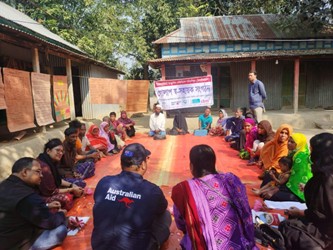
Building inclusive, climate resilient communities in Bangladesh
Highlights from DFAT Post’s visit In January 2026, representatives from the Australian High Commission in...
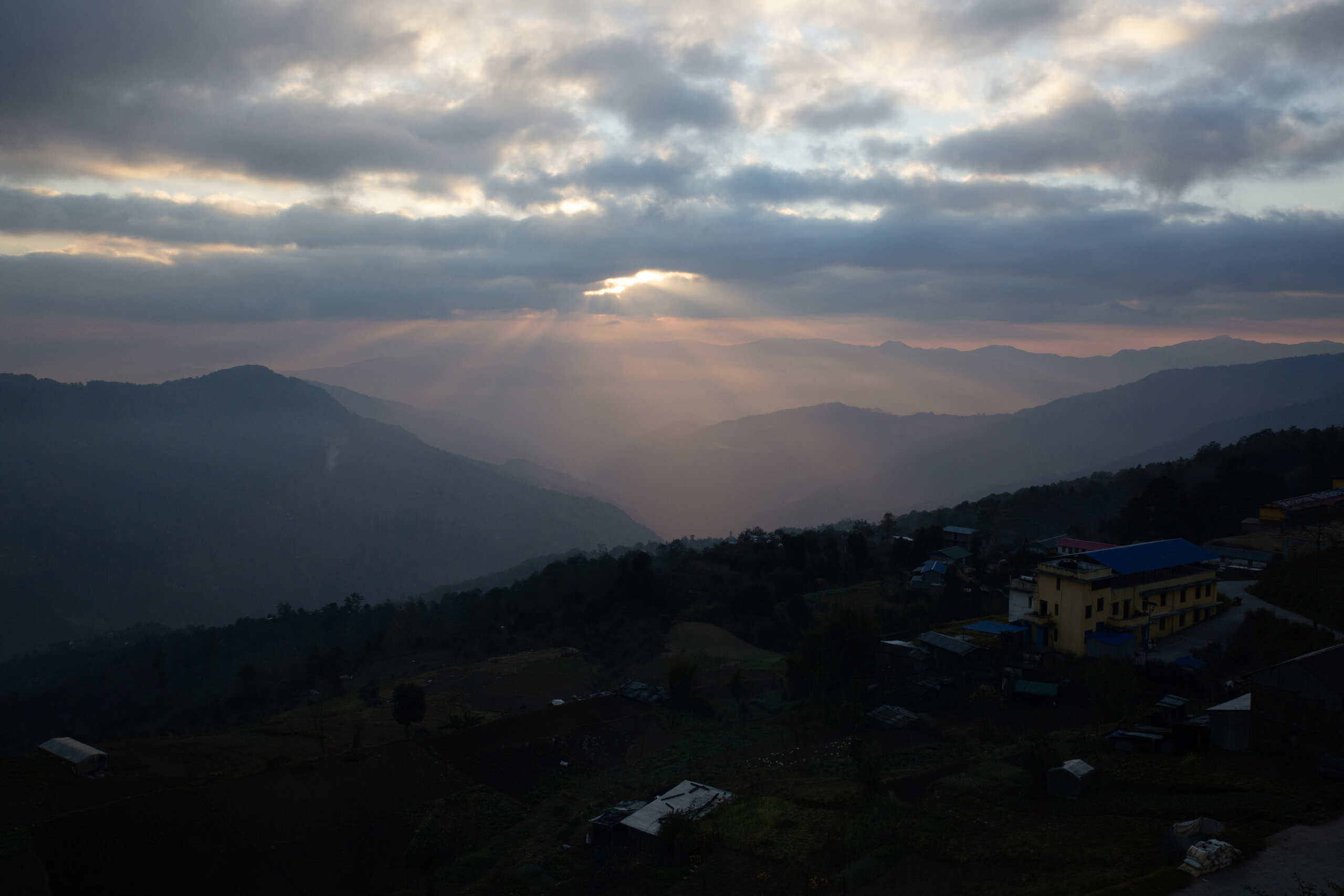
Week 1 – Lent series 2026
As we enter the season of Lent, we’re taking time as a community to pause, reflect, and draw closer to the heart of God. Lent invites...
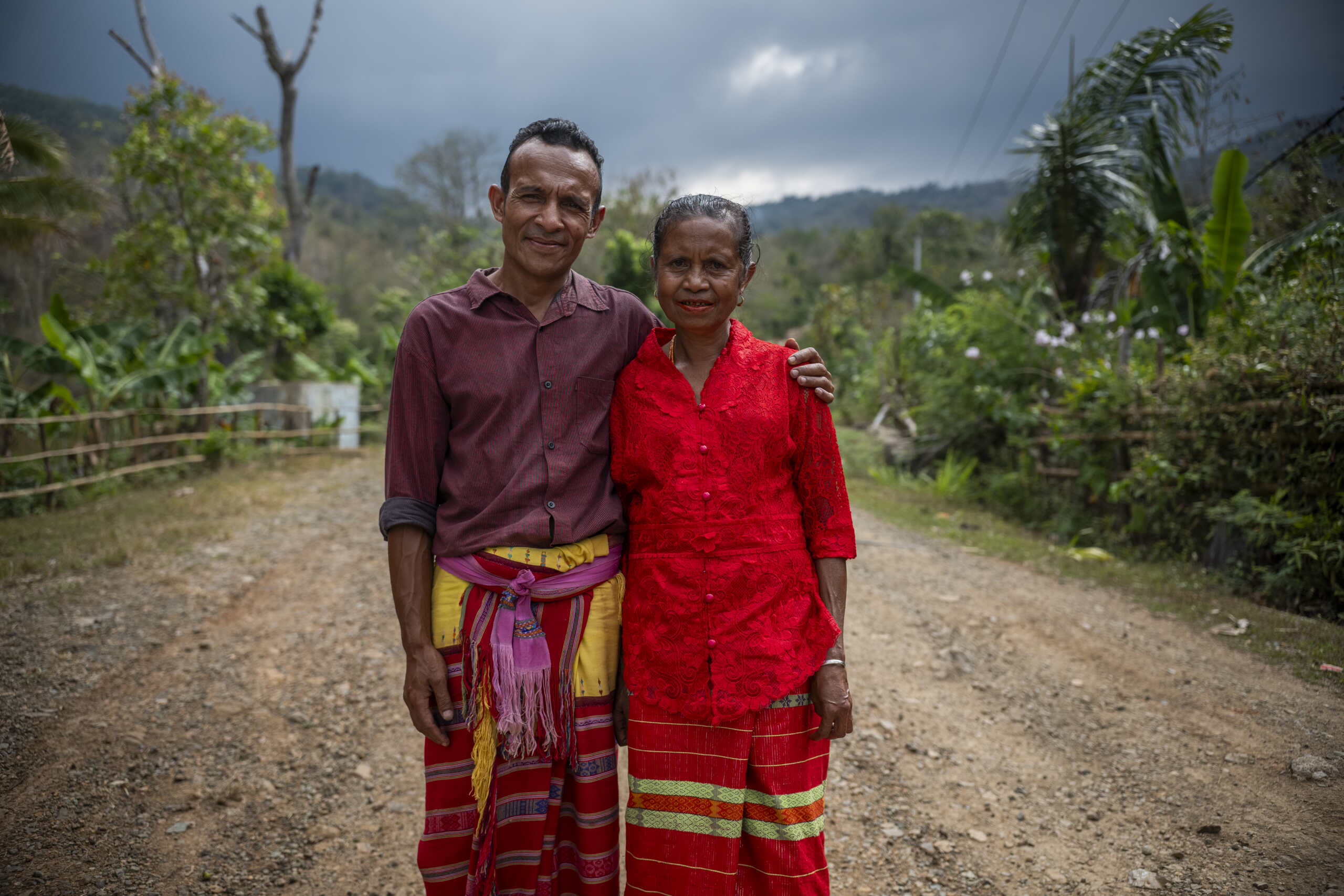
How CBM is making a difference in Indonesia
For more than 45 years, CBM Global has been working alongside communities in Indonesia to ensure people with disabilities...
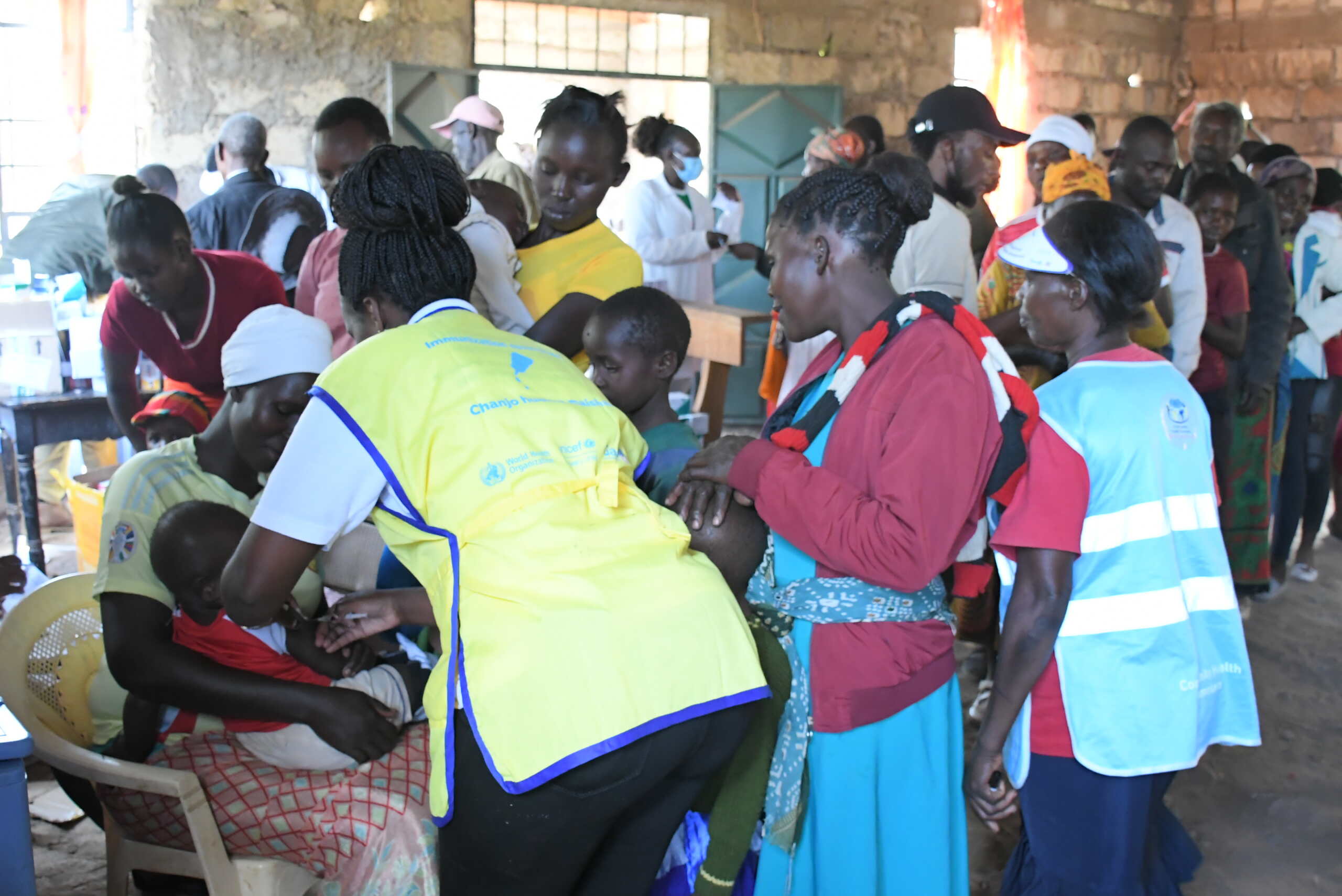
Coordinating inclusive health outreach in Meru County
For many households in Meru’s rural and remote areas, basic health services are physically...