

How CBM is making a difference in Indonesia
Stories | Published: February 5, 2026 | Updated: February 25, 2026
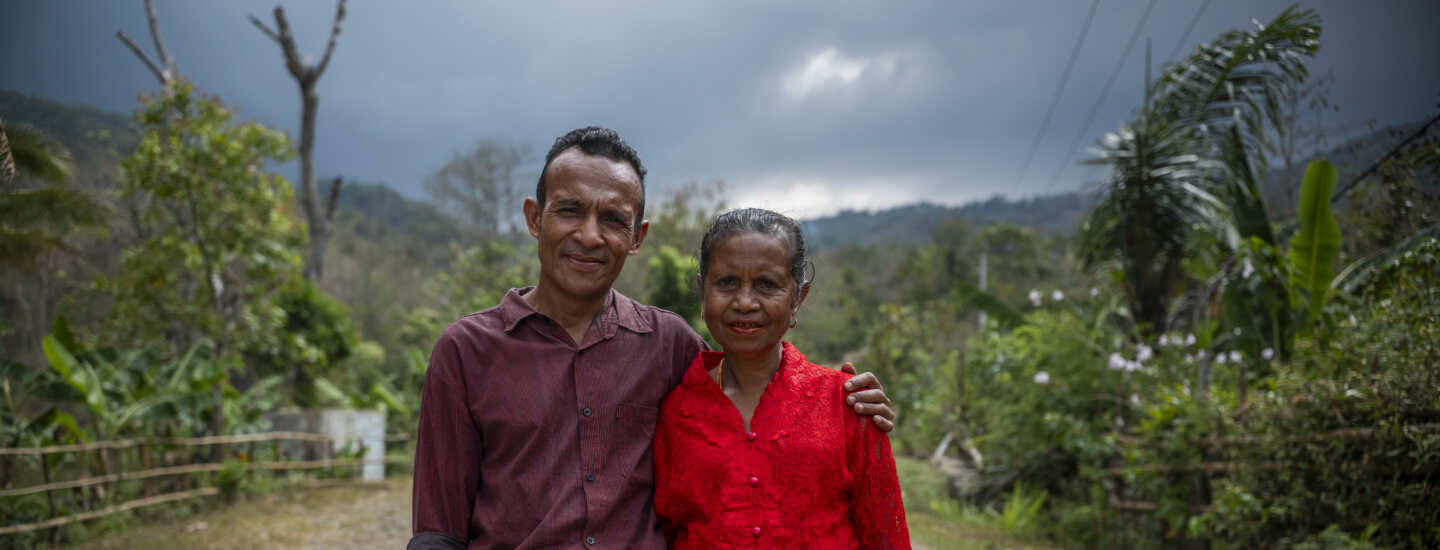
For more than 45 years, CBM Global has been working alongside communities in Indonesia to ensure people with disabilities can access healthcare, such as eye health and mental health support, as well as education, livelihoods, and emergency support. With more than 277 million people spread across thousands of islands, Indonesia is a country full of diversity, but like many countries, it also has challenges. An estimated 23.3 million Indonesians have disability, many facing barriers to services and opportunities.
In 2024 alone, CBM’s projects reached 73,835 people, including 2,616 people with disabilities. Our work spans Aceh, Java, and East Nusa Tenggara, showing just how broad and far‑reaching our impact is.
Improving eye health
Millions of Indonesians experience vision loss, many because they can’t access eye health services, especially those in remote or hard‑to‑reach areas. CBM is helping change this by working with local partner Paramitra Foundation to strengthen local eye health systems, train health workers, support early detection, and ensure services are more inclusive.
This work has led to real results, like a huge increase in the number of people getting their eyes checked. Over a four-year period, eye health visits in Tuban rose from 1,582 to 5,674, and in Probolinggo, from 992 to 3,964. Working with communities, health care systems and government, people are now more aware of eye health, services are more accessible, and early treatment is helping prevent avoidable blindness.
Supporting mental health and restoring dignity
CBM also works to improve the lives of people with psychosocial disabilities. Through the Open the Gate project, we’re helping strengthen community mental health support systems so that people can access care, build confidence, and participate fully in community life.
Implemented in partnership with Pusat Rehabilitasi Yakkum (PRY) and Perhimpunan Jiwa Sehat (PJS), the project has supported people with psychosocial disabilities, their families, and surrounding communities with a wide range of initiatives. These include awareness‑raising on psychosocial disabilities, peer support groups, and training based on the World Health Organization’s QualityRights approach, which promotes rights‑based, person‑centred support.
People with psychosocial disabilities have also had opportunities to build skills and confidence through practical, community‑based on‑the‑job training and supported work placements -helping them strengthen independence and increase social and economic participation.
Additionally, the project has contributed to the development of national documents on deinstitutionalisation and supported the adoption of several local regulations related to mental health, ending shackling, suicide prevention, and social rehabilitation.
It has also supported the introduction of operating procedures for local mental health services, helping ensure they align with the Convention on the Rights of Persons with Disabilities and the WHO QualityRights framework.
Together, these changes are helping ensure that people with psychosocial disabilities can live with dignity, independence, and meaningful inclusion in their communities.
Building inclusive communities and disaster preparedness
Indonesia is one of the world’s most disaster‑prone countries. To respond to this, the Indonesian government has enacted a law on Disaster Management and, through the National Disaster Management Agency, introduced policies to protect high-risk groups, including people with disabilities. In disaster responses within Indonesia, coordination is further strengthened through the Cluster Approach – an Inter‑Agency Standing Committee (IASC) system that brings together humanitarian actors to support more effective preparedness and response.
CBM’s Strengthening Inclusion in Humanitarian Action Through Cluster Mechanism (SEHATI) project aims to improve disability-inclusive disaster management in Indonesia – particularly within the Protection of Older People, Persons with Disabilities and Other High-Risk Groups (LDR) subcluster which sits under the national Displacement and Protection Cluster. Running from 2024 to 2027, the project is implemented in partnership with YAKKUM Emergency Unit (YEU) and the Indonesia Disaster Management Community (MPBI). Its main goal is to strengthen the leadership and involvement of Organisations of People with Disabilities (OPDs) at both the national level and within the LDR subcluster and encourage other humanitarian actors to mainstream disability inclusion in their respective subclusters.
To achieve this, SEHATI works closely with OPDs, humanitarian actors, and the Ministry of Social Affairs, which leads the Displacement and Protection Cluster. The project trains OPDs on disability inclusive disaster management, Sphere standards (global guidelines that help ensure quality in humanitarian response), and how cluster and subcluster coordination works. It has also created accessible training materials and Standard Operating Procedures to support inclusive emergency response.
By strengthening their skills and confidence, OPDs will be better prepared to take leadership roles in the LDR subcluster and help build a stronger, more inclusive disaster management system across the whole Displacement and Protection Cluster – ensuring that people with disabilities are not left behind during emergencies.
Mainstreaming disability inclusion into larger programs
CBM also works with other organisations and programs in Indonesia to help them become more disability inclusive. Many large development and humanitarian organisations want to include people with disabilities in their work but aren’t always sure how.
CBM provides training, advice, and practical tools so these organisations can plan and deliver programs that are accessible to everyone. For example, CBM recently partnered with Wahana Visi Indonesia (WVI) to review their programs in Lombok through a disability inclusion lens.
As a result, WVI is now developing a disability inclusion roadmap, training its staff, allocating budget to disability inclusion initiatives, and even piloting an inclusive Posyandu (a community health post) to make services more accessible for children and families in rural areas.
CBM also advises programs working on disability data, workplace inclusion, social protection, and research – making sure people with disabilities are included at every step. And through the new PRIMA initiative, CBM is supporting disability leaders to become skilled advisors who can guide other organisations on inclusive practices.
Strengthening livelihoods through savings and loans groups
In Aceh, CBM supports Village Savings and Loans Associations (VSLAs) – small community savings groups that provide loans to their members, helping them start businesses and manage household needs. With around 25% of members being people with disabilities, these groups promote both financial independence and social inclusion.
We wanted to understand why some VSLAs thrive while others face challenges. We found many groups have grown strong enough to run successful small businesses, helping boost incomes and strengthen communities. At the same time, we also found opportunities to further strengthen groups, including financial support, alternative models tailored to ultra-poor households, and better alignment between VSLAs and livelihood support.
An integrated approach to drive change
Through the MATAHATI initiative, CBM Indonesia and five local partners are working together to support 12 rural villages in East Nusa Tenggara. This integrated program combines multiple projects focused on climate resilience, sustainable livelihoods, mental health, disability inclusion, and eye health. By 2025, it had reached 9,200 people, including 895 people with disabilities. This integrated approach is helping villages become more resilient, inclusive, and better prepared for the future.
CBM’s work in Indonesia is broad, long‑term, and deeply collaborative. From eye health and mental wellbeing to livelihoods and disaster preparedness, each project helps create a more inclusive society – one where people with disabilities can participate fully and thrive.
CBM Australia acknowledges the support of the Australian Government through the Australian NGO Cooperation Program (ANCP) for some of the projects mentioned.
https://www.cbm.org.au/stories/how-cbm-is-making-a-difference-in-indonesia
Related Stories
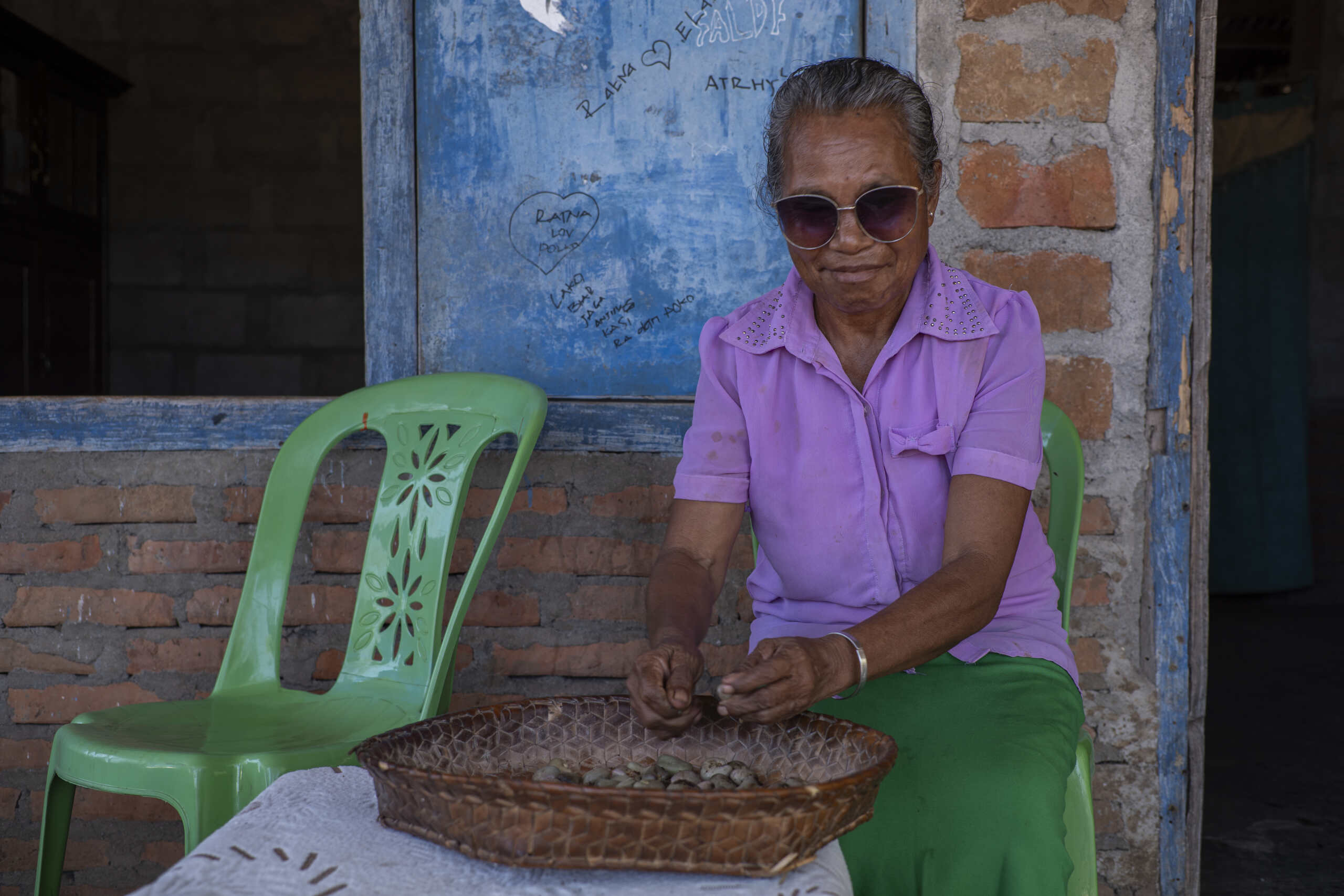
Building stronger eye health systems in Indonesia
Discover how the I-SEE Phase II project improved access to quality eye care in East Nusa Tenggara
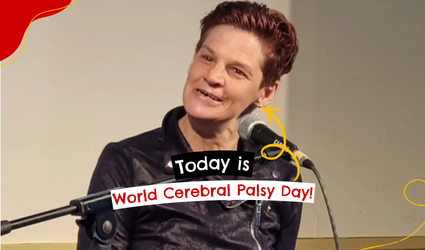
Celebrating World Cerebral Palsy Day with Stevie
Discover Stevie's five tips for inclusive development and learn how to build more accessible communities this World Cerebral Palsy...
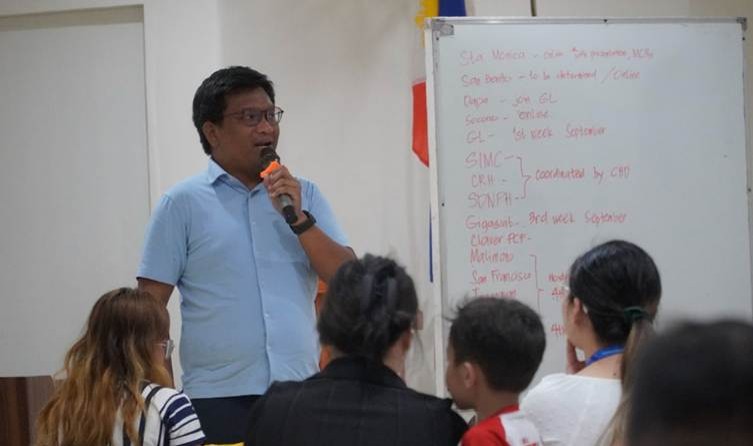
Seeing Beyond the Stigma: How one doctor is helping change attitudes to mental health in the Philippines
Meeting people beyond the stigma changed Dr Arman's life....