

How CBM supports the elimination of Neglected Tropical Diseases in Nigeria
Ip, Stories | Published: March 19, 2026 | Updated: September 15, 2026
Nigeria carries the heaviest burden of Neglected Tropical Diseases (NTDs) in Africa, with around 165 million people – 84% of the population – needing treatment for one or more types of NTDs. These illnesses, such as river blindness and lymphatic filariasis (LF), can cause long-term disability, pain, stigma, and poverty. While medicine is essential, it alone is not enough to address the cause and impact of the diseases. Many communities still lack clean water, sanitation, and access to proper care.
To help address this, CBM Australia – working with local partner Health and Development Support Programme (HANDS) and with support from the Australian Government – launched the third phase of an integrated NTD Project across Jigawa, Yobe, and the Federal Capital Territory. The approach was simple but powerful: combine multiple interventions so people can prevent, treat, and live well beyond NTDs.
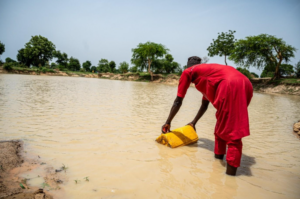
Caption: A Nigerian person collects water from a river.
Expanding Access to Medicines
Over four years, the project helped deliver lifechanging treatment to remote and underserved communities.
- 2.38 million people received treatment for lymphatic filariasis
- 2.35 million people were treated for river blindness
More than 18,800 health workers, community drug distributors and members of government NTD teams were trained to administer two free government-provided drugs for LF and river blindness. By improving transport, distribution and local awareness, communities that once had as little as 20% treatment coverage now meet or even surpass recommended coverage targets.
As one state NTD coordinator shared:
“Our recorded success in Mass Administration of Medicine (MAM) coverage is due in no small measure to the HANDS project support, especially in the areas of medicines transportation, remote medicines distribution through the CDDs and trainings, as well as strong collaborative and supportive coordination with us.”
Improving Water, Sanitation, and Hygiene (WASH)
NTDs spread easily when communities are forced to rely on unsafe, dirty water. To address this, the project repaired 79 broken boreholes, providing clean water to the community, and trained 48 local artisans to keep them working. This meant people no longer had to collect water from contaminated ponds or streams. By the end, 99% of those surveyed had access to safe water – dramatically reducing their risk of infection and helping break the cycle of disease.
“We were using the pond when our borehole broke down, and we did not know it was what was causing us diseases. But now that the borehole has been repaired by HANDS, we have water, so we don’t use the pond anymore and sickness has seriously reduced.” – Female community member
To reinforce these gains, the project invested in awareness raising to help communities understand how daily hygiene habits can prevent NTDs. 94 WASH committees and 35 school WASH Clubs promoted safe water use, handwashing, and cleaner environments. These groups – many led by women – encouraged families to adopt behaviours to reduce the risk of NTDs. Community members reported noticeable improvements, such as safer waste disposal and cleaner surroundings.
Providing mental health and disease management support
The project strengthened health facilities and community-based care, offering support that had rarely been accessible before.
- 106 people received lymphedema case management
- 297 people received hydrocele surgery
- 93 people with NTD related psychological distress accessed mental health support
People learned how to manage their conditions at home, reducing the need for long and painful journeys to far away health facilities.
Through this multipronged approach – medicine, clean water, and improved healthcare – CBM is helping communities not only fight NTDs, but build healthier, stronger futures. This reflects CBM Global’s wider holistic model, also seen in the CiSKuLA project in Jigawa, which uses a similar person-centred approach.
As one community leader from the CiSKuLA project said: “The project didn’t just treat illness; it helped heal the whole person.”
Learn more about the impact of the Integrated Control of Neglected Tropical Diseases project, click here.
Learn more about CiSKuLA here and here.
CBM Australia acknowledges the support of the Australian Government through the Australian NGO Cooperation Program (ANCP).
https://www.cbm.org.au/ip/how-cbm-supports-the-elimination-of-neglected-tropical-diseases-in-nigeria
Related Stories
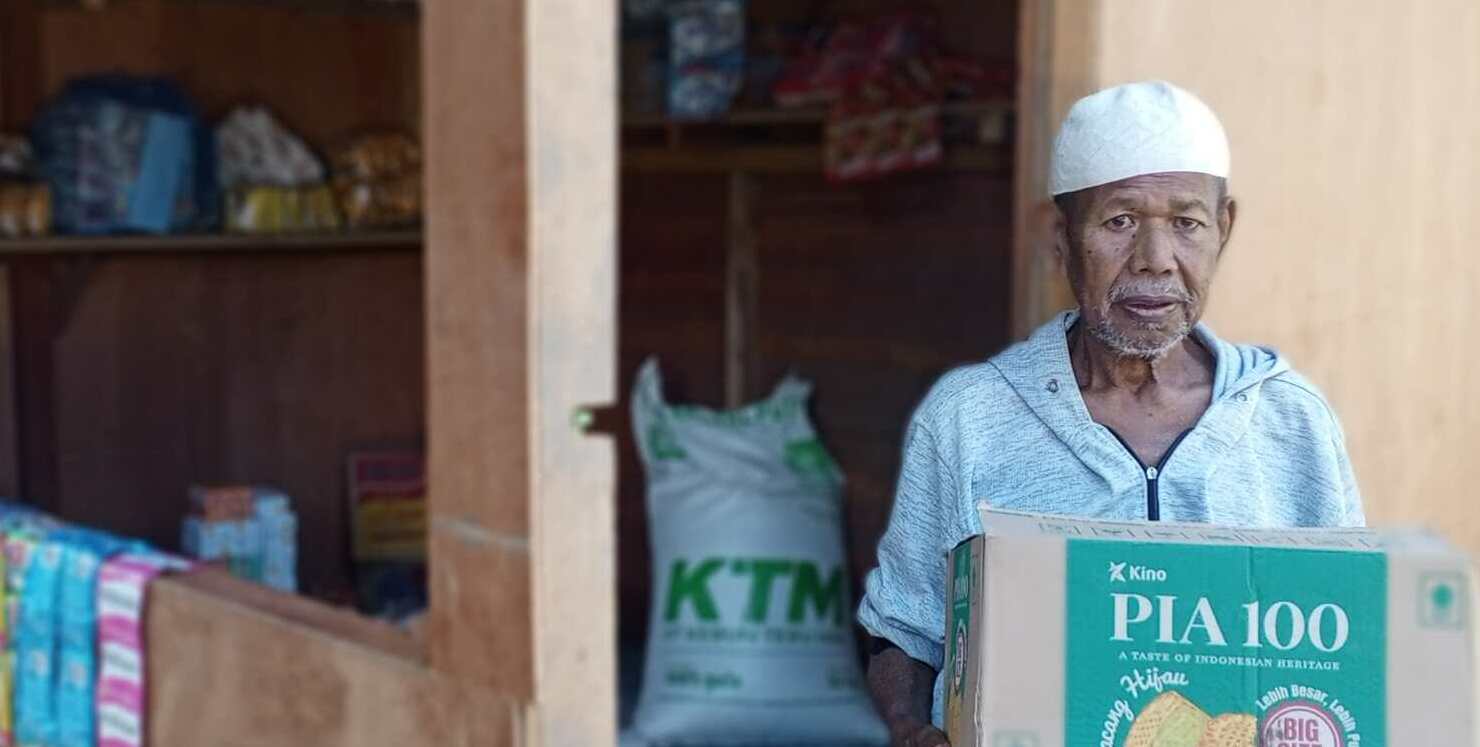
A small shop with a big future
Inclusive livelihoods in Indonesia helped Dasirah build a small business, support her family and create a more secure future in Aceh.
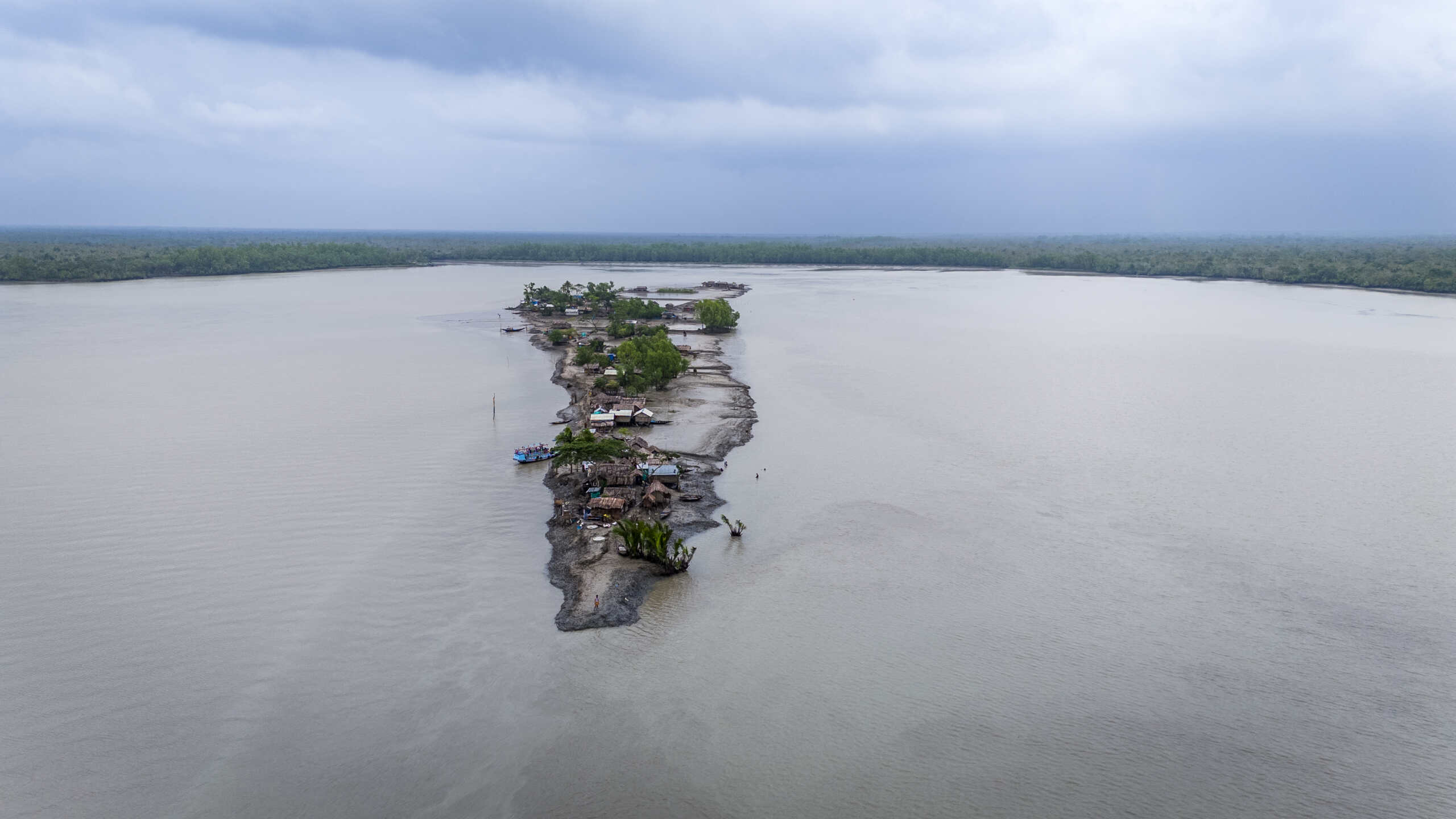
When a warning doesn’t reach everyone
Learn how disability-inclusive early warning systems in Bangladesh help ensure people with disabilities and women receive accessible disaster warnings
Building stronger eye health systems in Indonesia
Discover how the I-SEE Phase II project improved access to quality eye care in East Nusa Tenggara