

AI and Assistive Technology Casts Expansive Possibilities for International Inclusive Development
Stories | Published: June 10, 2026 | Updated: June 11, 2026
Stevie Willis is poet, speaker, writer, and CBM associate and lives with cerebral palsy. For years, the physical act of writing made study difficult, despite her strong academic ability. But now, with AI-powered assistive technology, Stevie is now writing papers, creating, and sharing her voice.
Though I graduated with the highest ATAR in my Year 12 level, I didn’t have the capacity to do a university degree. In the last three years I’ve written two papers.
Assistive technology has allowed me to inhabit my potential.
I’m Stevie Wills, a performance poet, public speaker, and writer. I advocate for the inclusion and empowerment of people with disabilities. I’m an associate of CBM Australia.
Last Thursday (June 5) was World Day for Assistive Technology, reminding us of how life-changing the right tools in technology can be. It championed the need to ensure more people with disabilities, particularly in low- and middle-income countries, can access them.
I have cerebral palsy, which affects my ability to navigate the physical aspects of reading and writing, rendering me very slow. I had funding for an integration aide full-time throughout primary and secondary school. Their assistance with reading and writing allowed me to thrive academically.
At university I was provided with a note-taker during contact hours. Most university work is completed outside those hours. A few weeks in I realised that, though I had the intellectual capacity to do a university degree, I couldn’t keep up with the physical demands to complete it within a reasonable timeframe.
In the mid 2000s, I discovered a computer program that read text aloud to me. I could scan my textbooks so that the software could read them out loud to me. This allowed me to do a diploma at bible college. Still, my mind was capable of so much more.
It was AI that radically transformed my life.
A couple of years ago I was introduced to a speech-to-text technology that recognises non-standard speech. It writes as I type. It has transformed my writing, creativity and ability to connect with others. I can now write 600 words an hour. Before, I was lucky to achieve that in an entire afternoon.
Last year my journal article was published, which demonstrated that assisting in ways that empower people through dignity and respect undergird their wellbeing. I’ve written a second journal article, about a personal health issue, which is soon to be published.
CBM Australia works with partners to improve the quality of life for people with disabilities who live in poverty. There is potential for partners in international inclusive development to amplify their impact by keeping abreast of advancing technology.
Assistive technology has transformed my life. I hope that partners in international inclusive development expand their radar to include advancing technology in their resources, methods and strategies. As the forms and applications of assistive technology multiply and diversify, so too do the possibilities for people with disabilities.
Stevie Willis is poet, speaker, writer, and CBM associate and lives with cerebral palsy. Follow Stevie @steviewillsvibrancy on Instagram and Facebook.
https://www.cbm.org.au/stories/ai-stevie-wills
Related Stories
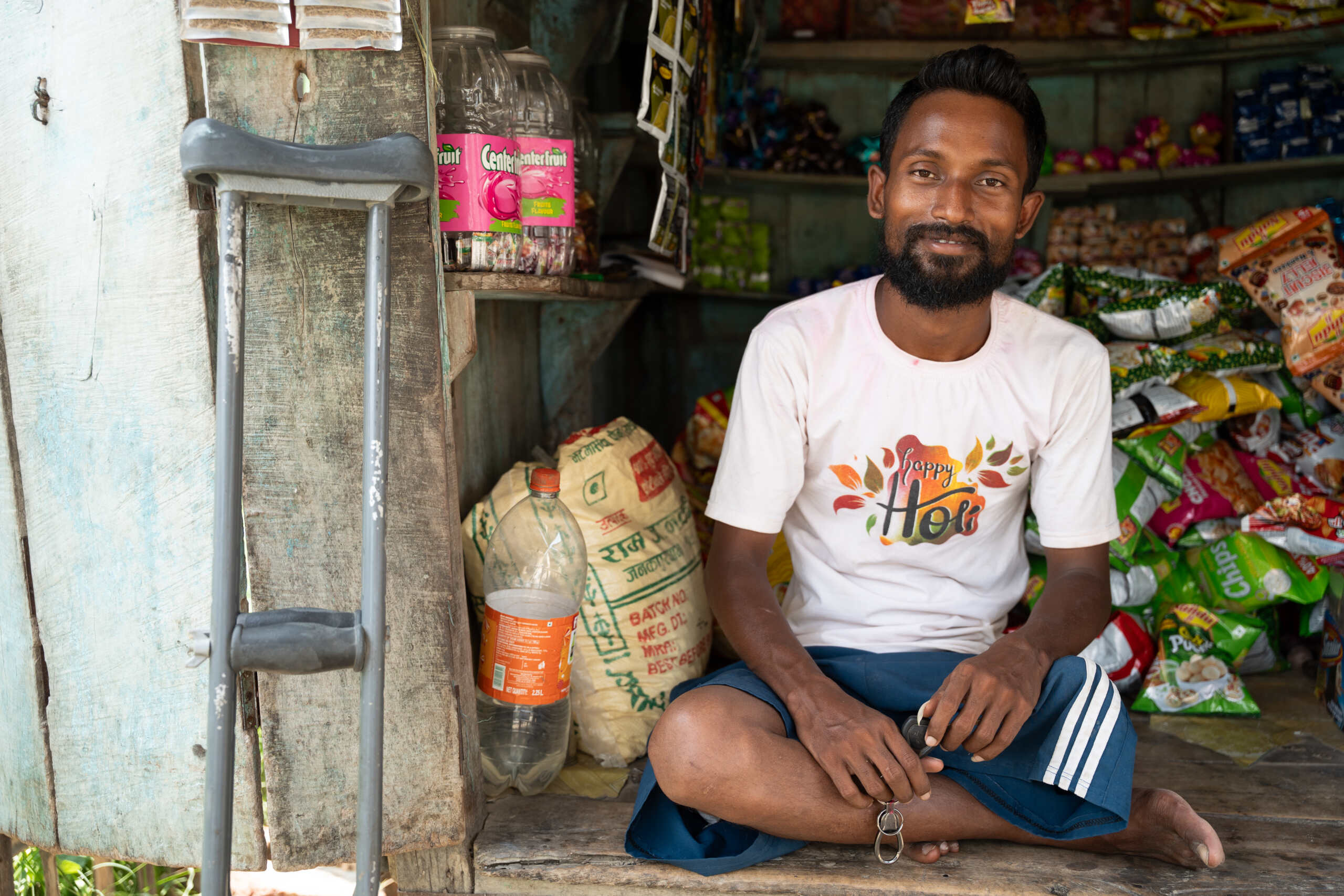
Building climate resilience for people with disabilities in Nepal
Read about how climate resilience Nepal initiatives helped people...
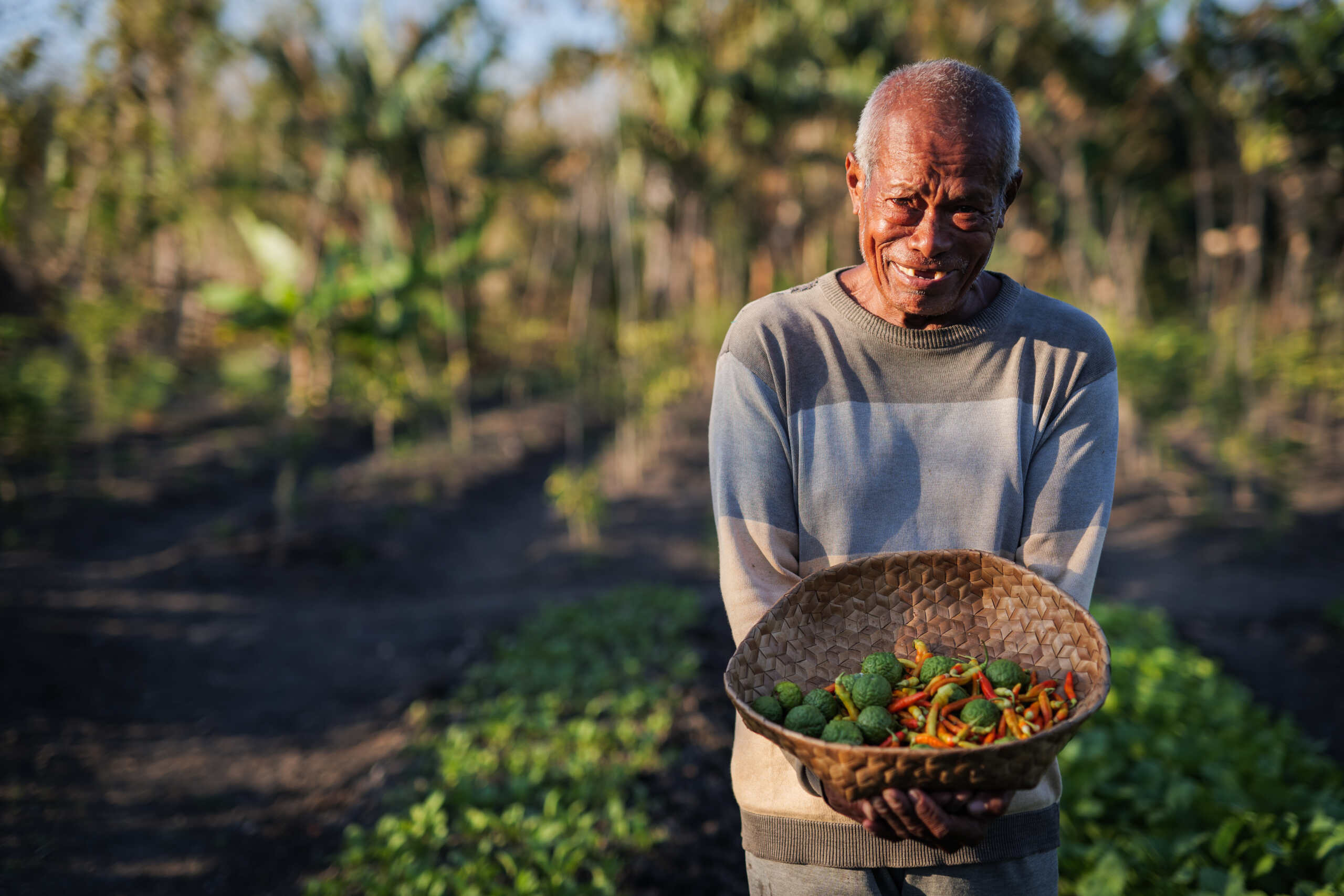
From Isolation to Belonging: Yesua’s Journey
Discover how disability inclusion transformed Yesua's life, helping him overcome exclusion, build confidence, advocate...
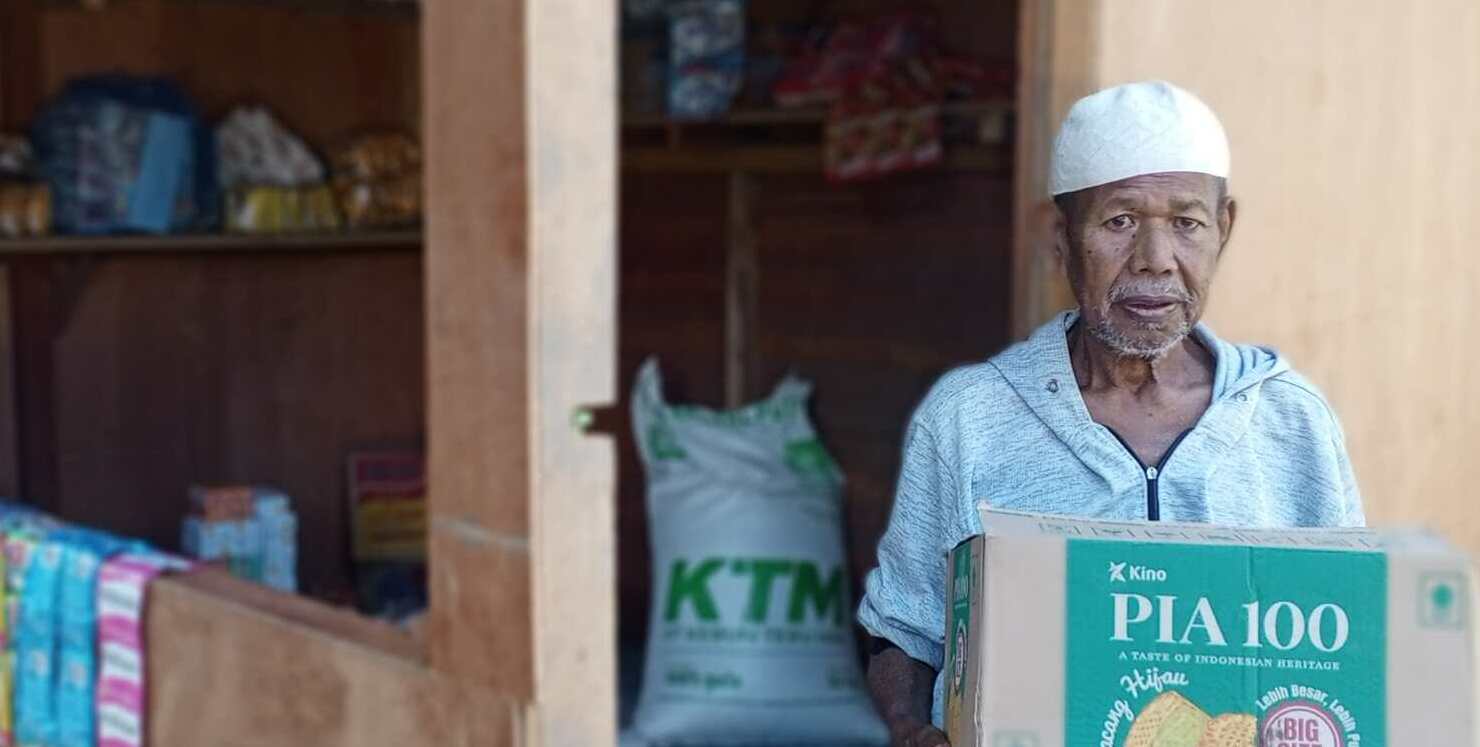
A small shop with a big future
Inclusive livelihoods in Indonesia helped Dasirah build a small business, support her family and create a more secure future in Aceh.