

From Survival to Strength: Kamala’s Journey to Inclusive, Climate‑Resilient Livelihoods
Stories | Published: August 5, 2026 | Updated: September 9, 2026
Kamala is a woman with a physical disability from a rural village in Nepal. Her life changed forever during the 2015 Nepal earthquake.
On that day, she was attending a prayer gathering when the building suddenly collapsed. Tragically, sixteen people lost their lives. Kamala survived – but was trapped under the rubble for nearly three hours. When she was finally rescued, she had severe spinal injuries that affected her mobility for life. Since then, she has used elbow crutches to move.
After the earthquake, life became even more difficult.
As a woman with a disability living in a rural area, Kamala faced stigma and isolation. It was hard to find work, and she became more dependent on others. Like many people affected by the disaster, the impact on Kamala’s life was not only physical – it was social and economic too. Her family struggled to earn enough to get by, and Kamala often felt excluded from meaningful work.
But things began to change.
Kamala joined a CBM supported project that helps people with disabilities gain skills and earn an income. Through this, she became part of a local Self-Help Group – a safe and welcoming space where she could build confidence, learn new skills, and connect with others.
For the first time in a long time, Kamala began to see new possibilities for herself and her family.
With support and training, she started growing vegetables using a plastic tunnel system. To support her mobility needs, the project team helped build an accessible staircase and handrail between her home and the farm. This meant she could move more freely and work more independently.
Still, farming inside the tunnel wasn’t easy. The narrow space made it difficult to use her crutches, and she risked falling or damaging her crops. Her injury also made it painful to sit or stand for long periods.
So, the project worked with Kamala to find solutions that would suit her needs.
Support ropes were installed inside the tunnel, allowing her to move safely without crutches. She was also given a lightweight, portable stool so she could work while sitting comfortably.
These small changes made a big difference.
Kamala became more independent, productive, and confident. In her first season, she made a profit. With this success, she invested some of her own savings – along with project support – to build an accessible, climate-smart greenhouse. Today, she now grows high-value tomatoes using methods that protect her crops from changing weather conditions.
‘After the earthquake, I felt my life was over. I lost people I knew and my physical strength. For a long time, I depended on others. But through the group and the program, I realised I could still work and support my family. Vegetable farming has given me confidence and hope. Today, I feel proud.’ – Kamala
Today, Kamala is a confident farmer and small business owner.
She is challenging traditional beliefs about what women and people with disabilities can achieve. Her success is inspiring others in her community to explore farming and build their own livelihoods.
Kamala’s story shows what is possible when barriers are removed – and when people are given the opportunity to thrive. By addressing gender equality, disability inclusion, and climate challenges together, stronger and more resilient futures can be built.
CBM Australia acknowledges the support of the Australian Government through the Australian NGO Cooperation Program (ANCP) and thanks our implementing partner Support Activities for Poor Producers of Nepal.
https://www.cbm.org.au/stories/kamala
Related Stories
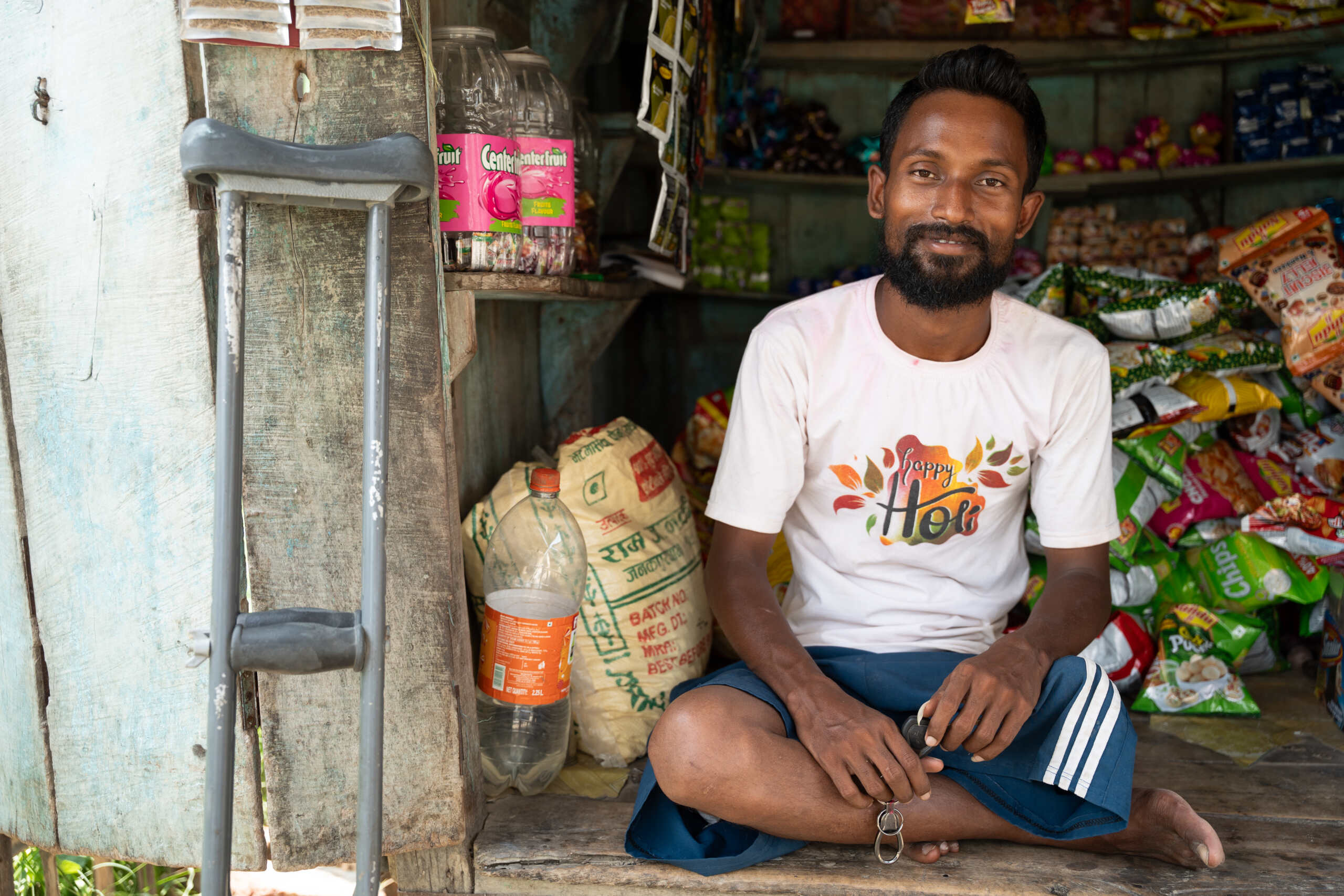
Building climate resilience for people with disabilities in Nepal
Read about how climate resilience Nepal initiatives helped people...
From Isolation to Belonging: Yesua’s Journey
Discover how disability inclusion transformed Yesua's life, helping him overcome exclusion, build confidence, advocate...
A small shop with a big future
Inclusive livelihoods in Indonesia helped Dasirah build a small business, support her family and create a more secure future in Aceh.