

World Humanitarian Day 2026: Why disability-inclusive humanitarian action must not be left behind
Stories | Published: August 19, 2026 | Author: Karen Alexander
This World Humanitarian Day, Karen Alexander – Principal Advisor, CBM Australia’s Inclusion Advisory Group, reflects on how humanitarian funding cuts are affecting people with disabilities, organisations of persons with disabilities, and the services that make inclusion possible.
On World Humanitarian Day, we recognise the resilience of people affected by crisis and those working alongside them. This year, however, funding cuts are reducing access, protection, dignity and choice for people who already face the greatest barriers.
Evidence from humanitarian crises worldwide shows that people with disabilities are being disproportionately affected as humanitarian aid shrinks, including a reported 35.8 per cent fall in funding in 2025. Organisations of Persons with Disabilities (OPDs) are also struggling to survive despite their critical role in ensuring responses reach everyone (Humanity & Inclusion, 2026; Global Protection Cluster, 2026; UN Women, 2026).
In a global survey of 177 OPDs across 35 countries, 79 per cent had experienced severe funding cuts, 72 per cent had cancelled or suspended at least one program or service, and 82 per cent reported high or very high negative impacts on the well-being of people with disabilities (Humanity & Inclusion, 2026).
This means that the very systems that help people with disabilities access assistance are being weakened when they need it most.
The first services to disappear are often the ones that make disability inclusion possible
Recent global analysis found that disability inclusion activities are being hit hardest where they support community engagement and individual assistance. Assistive devices, accessible transport and outreach are being reduced or removed, weakening the mechanisms that make aid accessible (Global Protection Cluster, 2026).
In the Occupied Palestinian Territory, funding cuts reportedly led to the disappearance of 80 per cent of rehabilitation activities supporting people with disabilities. In the Dominican Republic, one self-advocacy OPD warned that aid cuts are “paralysing essential autonomy programs and technical services that the State does not cover,” increasing dependence and social invisibility (Global Protection Cluster, 2026; Humanity & Inclusion, 2026).
People with disabilities face growing barriers to humanitarian assistance
As organisations scale back, many are withdrawing from remote and hard-to-reach locations, reducing outreach and replacing regular engagement with periodic visits or remote communication. UN Women’s 2026 global study found that women and girls with disabilities were among those most affected by reduced reach, with 61 per cent of surveyed organisations reporting a diminished ability to reach them (Global Protection Cluster, 2026).
Food assistance cuts are sharpening access barriers. In Uganda, refugees cut off from assistance experienced a 20 per cent reduction in food consumption scores between 2024 and 2025, a serious concern for people with disabilities who may face higher costs, specific nutritional needs and reduced livelihood opportunities (World Food Programme, 2025).
Almost nine in ten OPDs reported deepening inequalities, with children, women and girls, older people with disabilities and people in remote areas particularly affected. Reported impacts included gender-based violence, reduced reproductive and maternal health care, withdrawal from school, worsening malnutrition, loss of rehabilitation and growing rural isolation (Humanity & Inclusion, 2026).
Protection risks increase when inclusive humanitarian services disappear
Humanitarian organisations providing protection services report significant reductions in mental health and psychosocial support, case management, referrals, safe spaces, protection monitoring and community-based protection. These services help people with disabilities identify risks and access specialised support (Global Protection Cluster, 2026).
OPDs are filling the gaps, but they cannot do it alone
As formal services contract, OPDs are increasingly filling gaps while facing severe financial pressure. Protection partners report that cuts are reducing operational scope, support services and access to assistive devices (Global Protection Cluster, 2026).
Forty-three per cent of OPDs described their capacity to sustain their mission as weak or very weak, and 14 per cent said they were at risk of permanent closure. Many had already reduced costs, narrowed geographic reach, scaled back activities or lost staff and specialised expertise (Humanity & Inclusion, 2026).
WFP describes an emerging humanitarian vacuum as offices close, partners withdraw, rations are cut and nutrition centres close. National and local NGOs, including OPDs, are being asked to do more with less just as people with disabilities need stronger support systems (World Food Programme, 2025).
Disability inclusion cannot become a casualty of humanitarian funding cuts
For people with disabilities, inclusion is not optional. When inclusion measures disappear, many people do not simply receive less assistance – they lose access to assistance altogether. Accessible communication, assistive technology, outreach, support services, transport assistance, participation mechanisms and OPD leadership are essential.
WFP warns that when agencies must choose between vulnerable communities or provide only a fraction of what is needed, assistance can become too thin to be effective. For people with disabilities, this risk is magnified when targeting, information and community engagement systems are not accessible, or disability-related costs and barriers are overlooked (World Food Programme, 2025).
As humanitarian actors adapt to constrained funding, disability inclusion must remain a core priority. Protecting funding for disability equity and rights, supporting OPDs with flexible and multi-year financing, and involving people with disabilities and their representative organisations in decisions that affect them (Humanity & Inclusion, 2026) are essential to ensuring assistance reaches those most at risk of being left behind.
This World Humanitarian Day, we should recognise the resilience of people with disabilities and OPDs, while protecting the systems that make inclusion possible. Without deliberate investment in disability-inclusive humanitarian action, the funding crisis risks becoming an inclusion crisis too.
By Karen Alexander, Principal Advisor, CBM Australia’s Inclusion Advisory Group.
Through CBM Australia’s Inclusion Advisory Group, CBM works with partners, OPDs, INGOs and humanitarian organisations to strengthen disability-inclusive approaches before, during and after crises.
https://www.cbm.org.au/stories/world-humanitarian-day-2026-why-disability-inclusive-humanitarian-action-must-not-be-left-behind
Related Stories
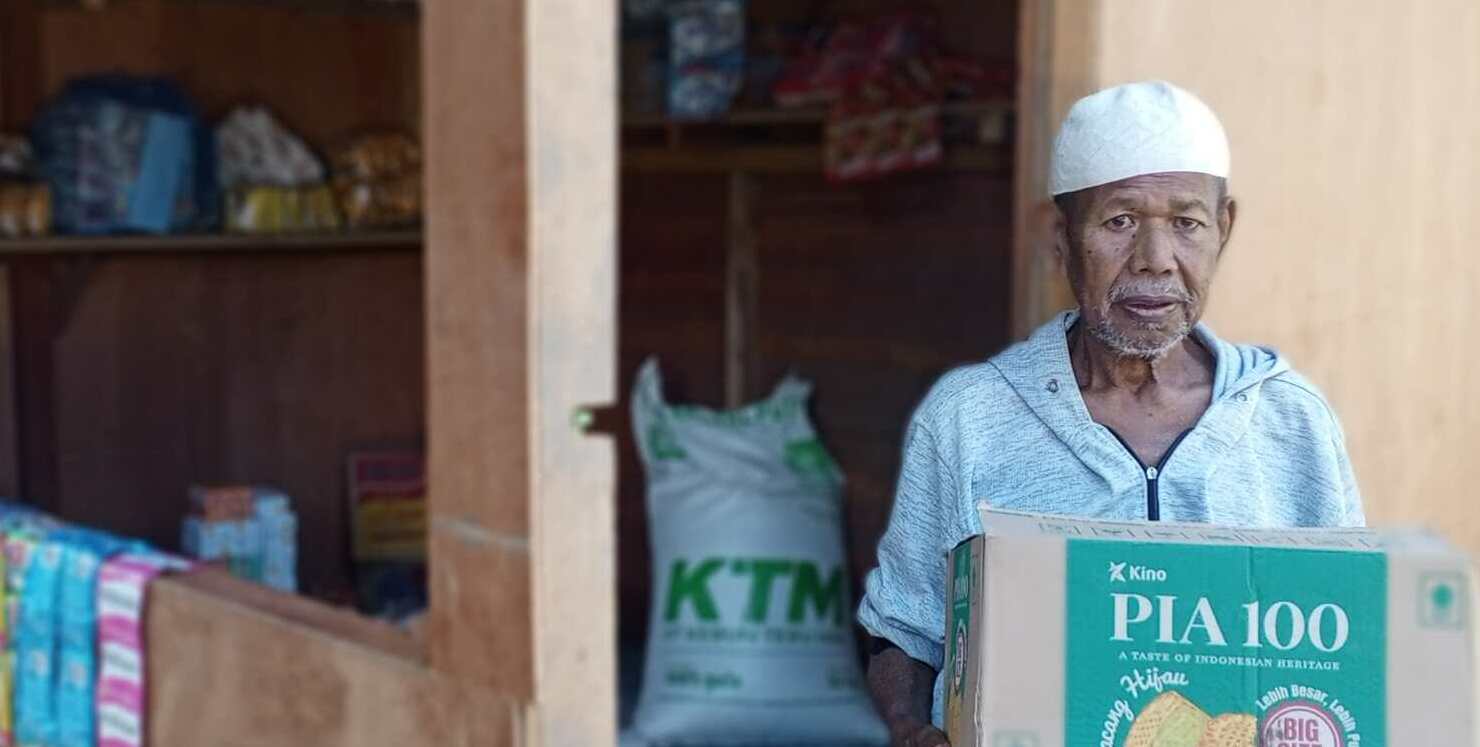
A small shop with a big future
Inclusive livelihoods in Indonesia helped Dasirah build a small business, support her family and create a more secure future in Aceh.
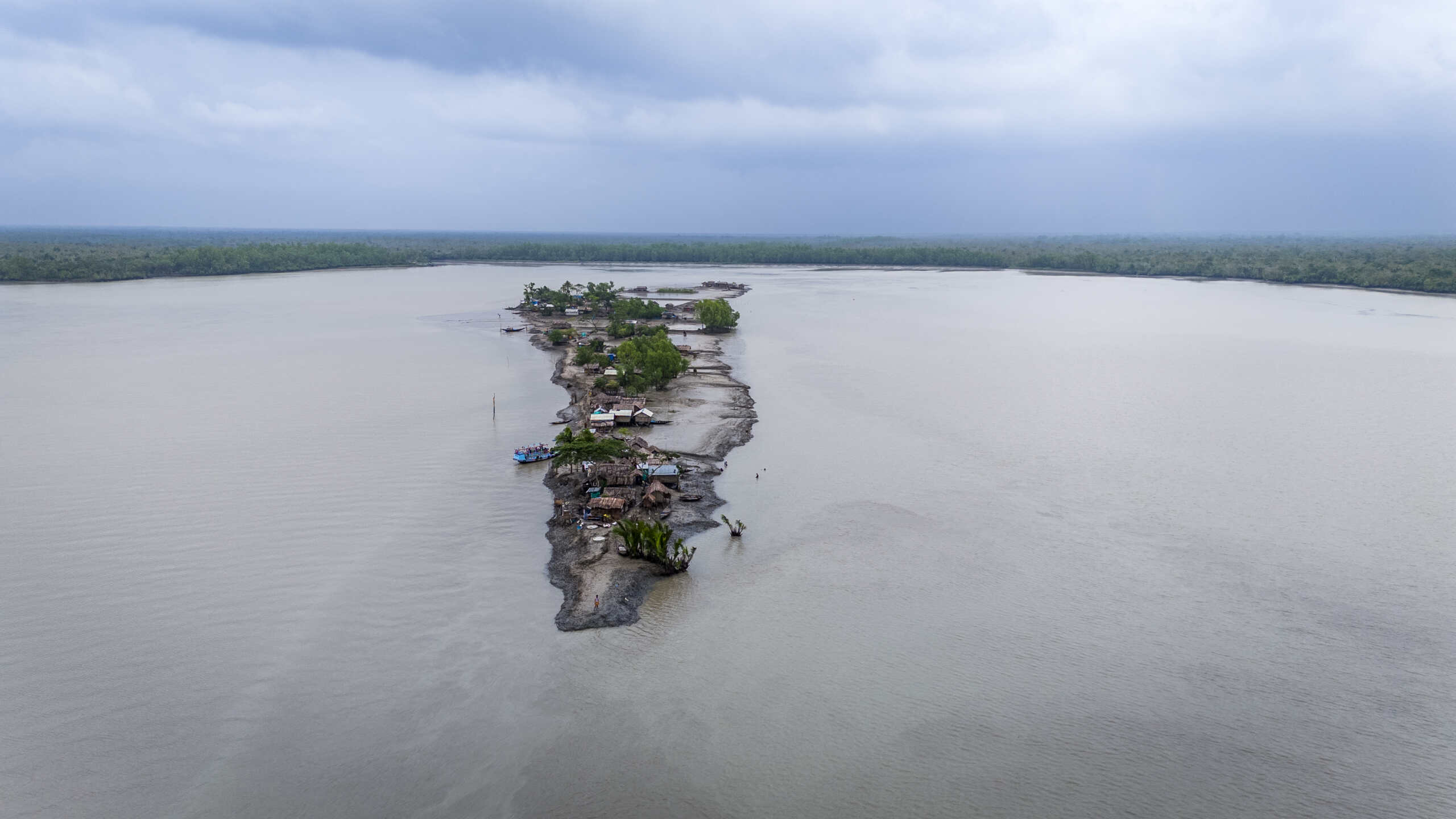
When a warning doesn’t reach everyone
Learn how disability-inclusive early warning systems in Bangladesh help ensure people with disabilities and women receive accessible disaster warnings
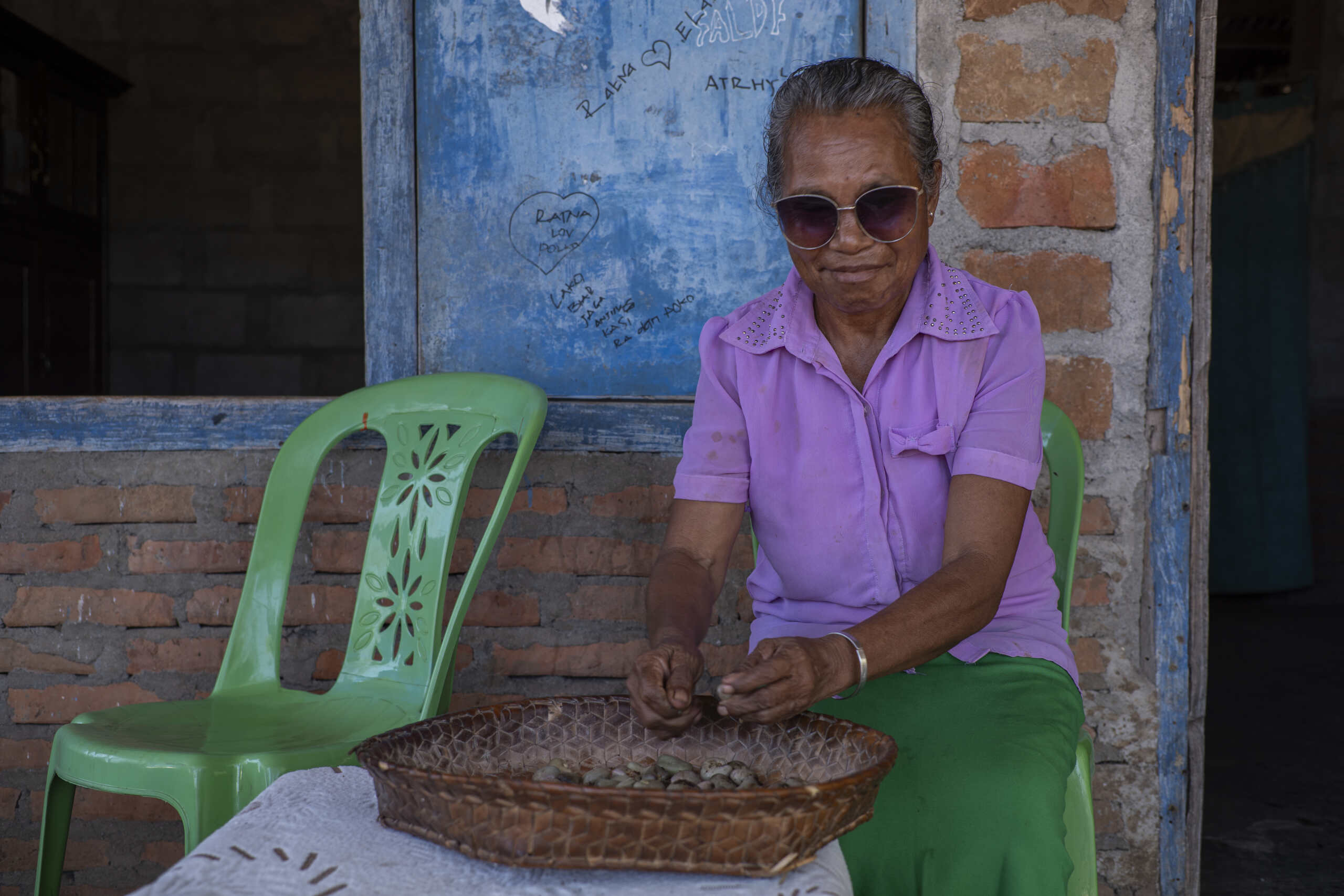
Building stronger eye health systems in Indonesia
Discover how the I-SEE Phase II project improved access to quality eye care in East Nusa Tenggara