

How inclusive eye care is bringing care closer to home in Kenya
Stories | Published: October 30, 2026
For four years, Murithi’s world became increasingly blurred.
A motorcycle rider and the sole breadwinner for his family, he struggled to recognise faces and carry out daily tasks. Cataracts had severely affected his vision, but the cost of treatment, the distance to specialist services, and the challenge of making long journeys for care put surgery out of reach.
“I can finally provide for my loved ones again,” Murithi says today.
When eye care is too far away
His story is one of many from Kenya’s Meru and Isiolo Counties, in the upper eastern region of the country, where access to eye health services has long been limited.
In Meru County, a population of around 1.6 million people was served by just one ophthalmologist, supported by a small number of eye health workers. Eye care was confined to just two clinics which were severely under resourced and could only handle basic cataract surgeries. Disability inclusion was an afterthought, and patients needing advanced care were referred to distant hospitals, where the cost of travel, fear of the unknown and treatment costs often meant care was out of reach.
In neighbouring Isiolo County, the situation was very similar. Eye health services were concentrated in only two facilities, with one ophthalmologist and very few trained eye health workers available across a vast geographic area.
For many families, these barriers meant living with avoidable vision loss.
Bringing sight-saving care closer to communities
To help change this, CBM-supported partner AIC Health Ministries worked with local governments and health services to strengthen eye health systems in both counties. Rather than relying solely on short-term outreach activities, the project focused on building lasting local capacity.
Twelve eye health clinics in Meru were strengthened through modern equipment and training for eye health professionals, including ophthalmologists and biomedical engineers. In Isiolo, six additional eye health units were established, while eight health workers received ophthalmic skills training. Together, these investments expanded local service capacity and brought eye care closer to remote communities.
In both counties, Community Health Promoters were trained to identify eye conditions early, provide eye health information and connect people with appropriate treatment. They played an important role in linking community members to eye health services.
The project also worked to ensure services were inclusive and accessible. Health workers received disability inclusion training, facilities underwent accessibility assessments and improvements, and local advocacy efforts encouraged county governments to include eye health in development plans and allocate funding to support services into the future.
One of the most effective innovations was a “reverse referral” approach, which brought specialist eye care closer to communities instead of expecting people to travel long distances for treatment. This reduced transport costs, increased referral adherence and helped more people receive timely care.
Murithi was one of those people.
Through the project, he was able to access cataract surgery that transformed his life. Within days of treatment, his vision improved dramatically. Two months later, his sight had stabilised, allowing him to return to work, earn an income and once again see the faces of the people he loved.
By strengthening health systems and bringing care closer to communities, CBM and our local partners are helping ensure that more people can access the eye care they need, regardless of where they live or whether they have a disability.
To read more about how CBM is supporting inclusive eye care in Kenya, click here.
https://www.cbm.org.au/stories/inclusive-eye-care-kenya
Related Stories
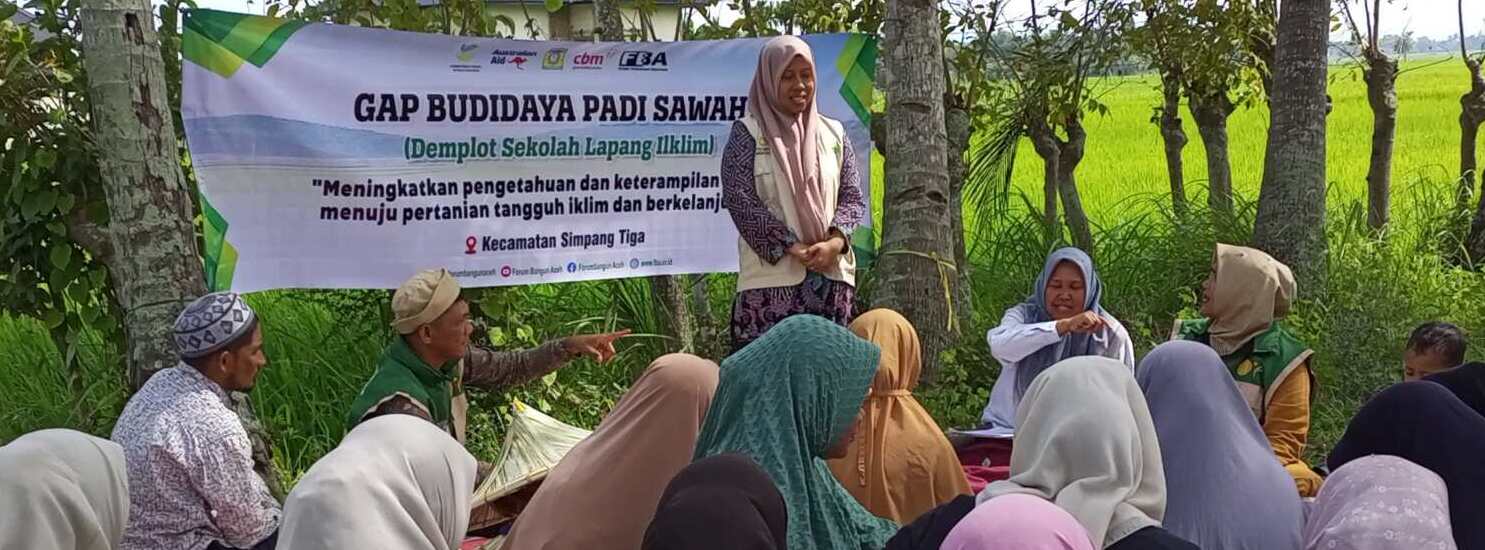
What is an inclusive Climate Field School and how are they helping communities adapt in Aceh, Indonesia?
Read about individuals in Indonesia learning climate-smart farming techniques...
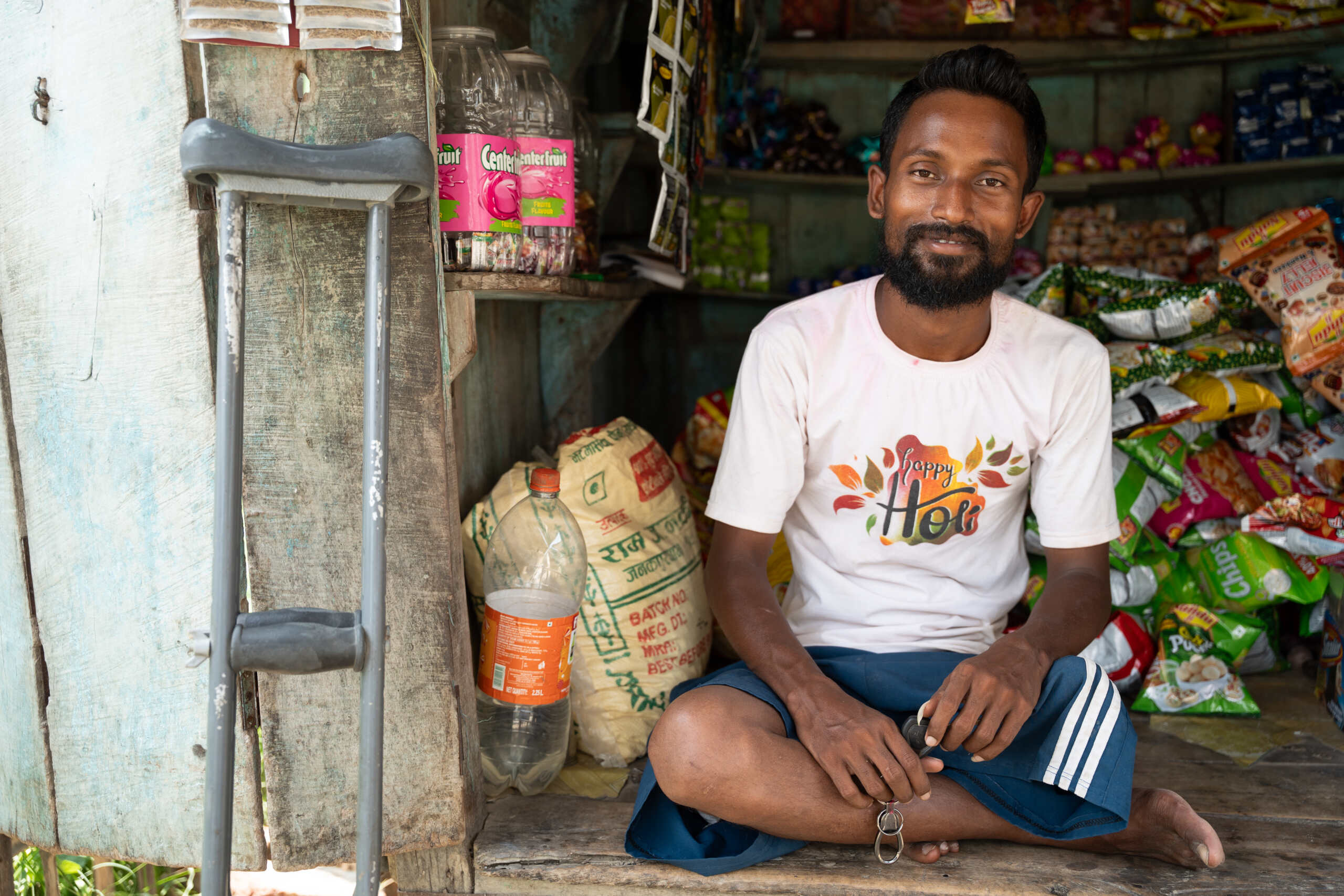
Building climate resilience for people with disabilities in Nepal
Read about how climate resilience Nepal initiatives helped people...
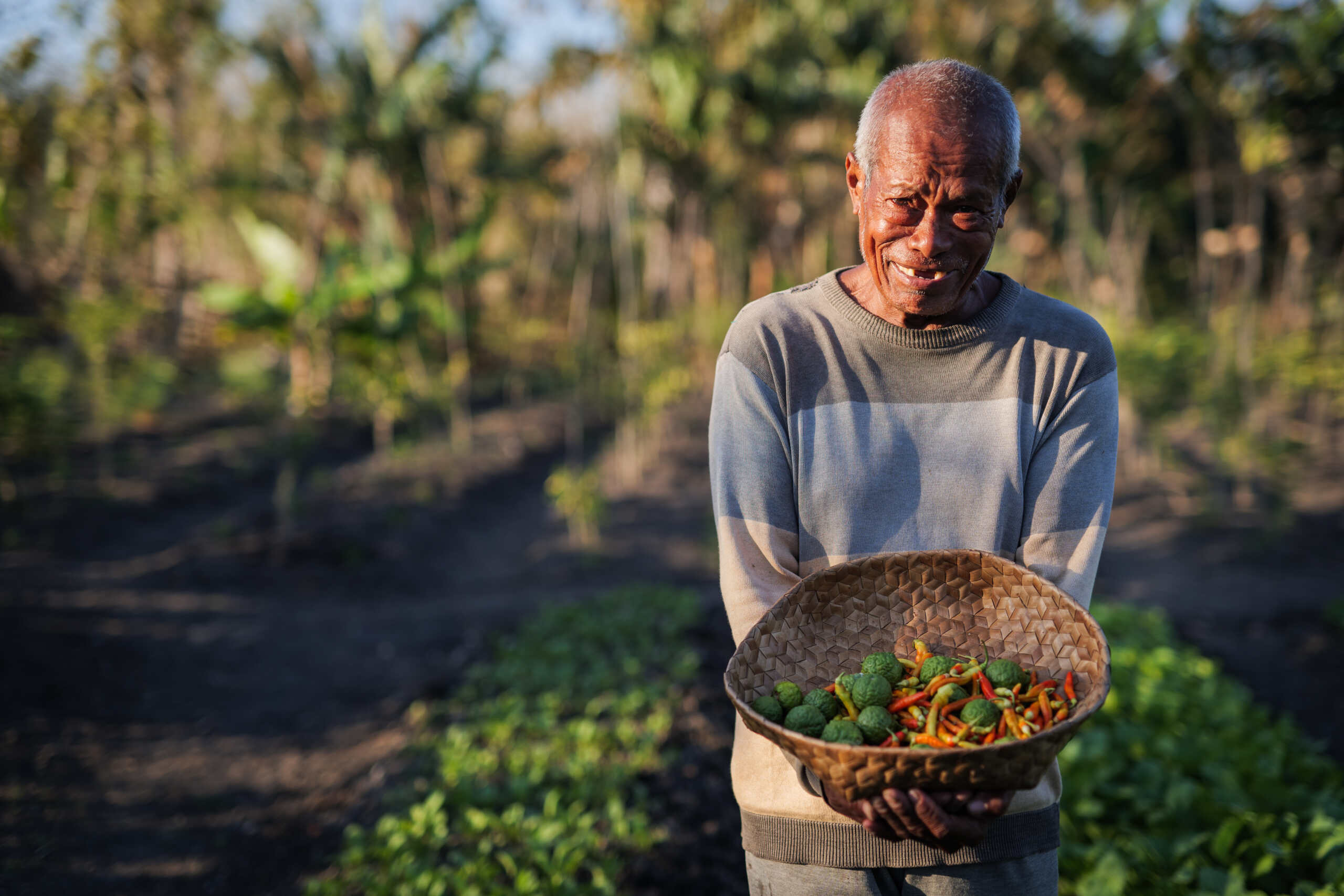
From Isolation to Belonging: Yesua’s Journey
Discover how disability inclusion transformed Yesua's life, helping him overcome exclusion, build confidence, advocate...