

A small shop with a big future
Stories | Published: October 16, 2026
When illness placed enormous pressure on their family, Dasirah found a new path forward through a small business supported by CBM. Today, that business is providing greater stability, dignity and hope for the future.
Living one setback away from crisis
In Aceh, the westernmost province of Indonesia, located on the northern tip of Sumatra island, many families live one setback away from crisis. Poverty remains high, especially in rural communities, where floods, droughts and changing weather can wipe out crops, incomes and opportunities overnight.
For people with disabilities and other vulnerable groups, these challenges are often even greater, with fewer ways to earn an income, access support and plan for the future. For Muhammad Nasir’s family, life became increasingly difficult when a devastating health diagnosis changed everything.
When illness changed everything
At 65, Muhammad Nasir lives with chronic kidney disease – a debilitating condition requiring him to travel to Banda Aceh twice a week for dialysis treatment.
The frequent journeys are exhausting and have not only gradually taken away his ability to earn an income but have put a huge strain on the family’s finances.
With Muhammad Nasir unable to hold down a job, the responsibility for supporting the household shifted almost entirely to his daughter, Dasirah, who worked as an informal domestic laundry worker to help keep the family afloat.
With irregular work hours, the income was unpredictable and barely sufficient to cover basic food expenses. Savings, planning for the future, or preparing for unexpected expenses were luxuries the family simply could not afford.
Like many families facing multiple challenges at once, they were trapped in a cycle where every day was focused on getting through the next.
| What the family faced | What it meant day to day |
| Chronic illness | Loss of household income |
| Ongoing treatment | Increased expenses |
| Irregular work opportunities | Financial instability |
| Care responsibilities | Few ways to earn an income |
A new path forward
Then, a visit from a community organiser supported by a CBM project opened the door to a different possibility.
The project works with people with disabilities and other at-risk groups to help them earn an income, prepare for future shocks, and create communities where everyone can take part. It combines livelihood support, climate resilience initiatives, community engagement and disability inclusion to help families move towards a more secure future.
When the project team met Muhammad Nasir’s family, they took the time to understand not only the challenges they were facing, but also what might be possible with the right support. Together, they explored practical ways to help the family regain stability and reduce the constant pressure they had been living under.
A small kiosk brings new stability
Together, they identified a simple but practical solution: a small grocery kiosk operating from the family’s home.
For Dasirah, the idea made sense. Running a small business from home would allow her to continue caring for her father while generating an income.
With support from the project, the family established a grocery kiosk outside their home and received an initial stock of goods to get started.
During the critical early months, support with basic household needs helped ease some of the financial pressure that had weighed heavily on the family for so long, allowing Dasirah to focus on building the business.
She also received coaching on business management, choosing what to sell, managing money and growing the business, and disability inclusion, helping her develop the skills and confidence to turn a simple idea into a small business that could keep supporting the family
At first, the kiosk sold everyday essentials. As her confidence grew, so did the business.
Drawing on what she learned through mentoring, Dasirah expanded the range of products to include fresh vegetables and homemade snacks, responding to when people were most likely to shop.
Small adjustments made a big difference. More people stopped by. Sales increased. The kiosk became more than a source of income; it became a foundation for stability.
Today, the business generates a steady income, helping the family cover household expenses and contribute towards the ongoing costs associated with Muhammad Nasir’s medical treatment.
The change has enabled Dasirah to move from insecure casual work to running her own small enterprise, creating a more reliable future for herself and her family.
Supporting families across Aceh
This story is about more than one family’s success.
Across Aceh, the project is helping people with disabilities and families facing poverty or other challenges to earn an income, while also helping communities adapt to a changing climate.
From Inclusive Climate Field Schools that equip farmers with climate-smart farming practices, to Self-Help Groups that help people take part in community life and earn an income, the project recognises that lasting change comes from addressing the many factors that contribute to poverty and exclusion.
The project is also working with Organisations of People with Disabilities (OPDs), community leaders and government partners to promote greater inclusion and ensure that people with disabilities are involved in decisions that affect their lives. By strengthening both individual households and the wider community, the project aims to create change that lasts long after the project work has ended.
For Muhammad Nasir’s family, that future now feels a little more secure than it once did.
Hope for the next generation
Looking ahead, Muhammad Nasir hopes the business will continue to grow and provide opportunities for the next generation.
“I hope I can live long enough to witness my grandchildren grow and live a better life with the support of this business.” – Muhammad Nasir
Across project locations in Aceh, families are proving that resilience can grow from the smallest beginnings. For Muhammad Nasir’s family, that beginning was a simple grocery kiosk. For the wider community, it is a reminder that lasting change is possible when people are given the opportunity to build on their strengths.
CBM Australia acknowledges the support of the Australian Government through the Australian NGO Cooperation Program (ANCP).
https://www.cbm.org.au/stories/inclusive-livelihoods-indonesia-dasirah-story
Related Stories
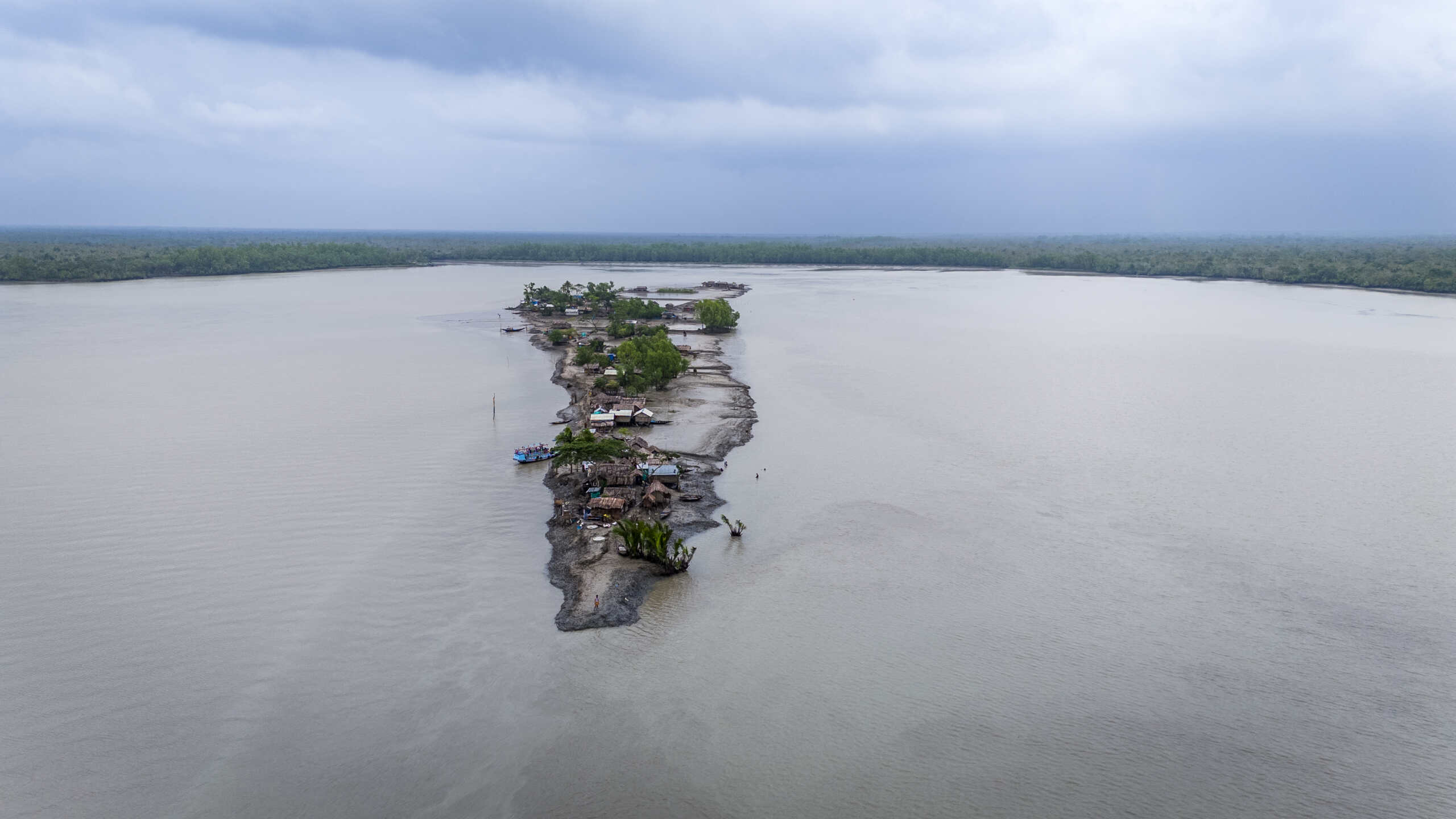
When a warning doesn’t reach everyone
Learn how disability-inclusive early warning systems in Bangladesh help ensure people with disabilities and women receive accessible disaster warnings
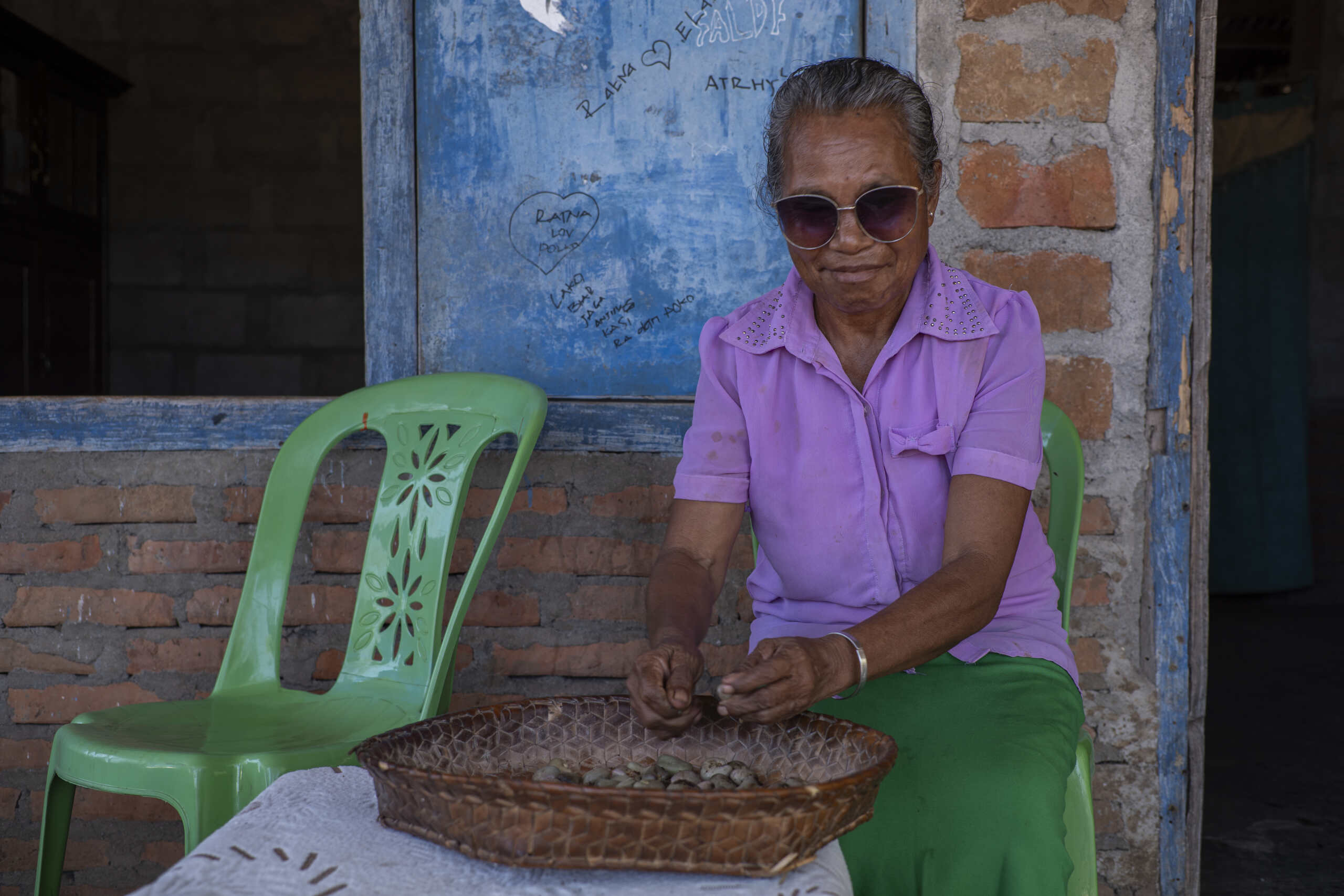
Building stronger eye health systems in Indonesia
Discover how the I-SEE Phase II project improved access to quality eye care in East Nusa Tenggara
Celebrating World Cerebral Palsy Day with Stevie
Discover Stevie's five tips for inclusive development and learn how to build more accessible communities this World Cerebral Palsy...