

The beginning of Christian Blind Mission
In 1908, German missionary pastor Ernst Christoffel travelled to Turkey and was overwhelmed by the desperate hardship experienced by people living in extreme poverty – including people with disabilities and orphaned children. He was confronted by children who couldn’t see, who couldn’t walk, who couldn’t hear, begging in the streets. He called them, “Nobody’s children” because no one was caring for them. With the support of friends, Pastor Christoffel set up a home in Malatia, Turkey to provide care and education for children with disabilities. He called this home Christoffel Blindenmission (Christian Blind Mission).

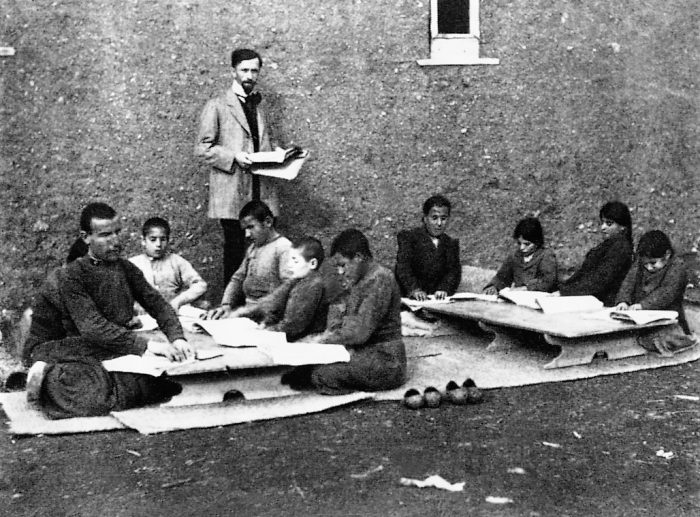
From decades of war to a lasting legacy
In 1919, during the First World War, Pastor Christoffel was expelled from Turkey. When he returned to Malatia the house was lost. His attempts to set up in Constantinople (now Istanbul) were thwarted by the authorities. Moving to Iran, Christoffel set up two homes for young people with disabilities in Tabriz in 1925 and Isfahan in 1928. Again, war disrupted his mission. During the Second World War, Christoffel was arrested when he refused to leave his charges. He spent three years behind barbed wire, but his will remained unbroken. In 1951, aged 70, Christoffel returned to Isfahan to help abandoned people with disabilities living in poverty. On 23 April, 1955, Pastor Ernst Christoffel died in Isfahan, Iran. His headstone reads: “Father of the Blind, Deaf-Mute, and Orphans”.
After his death, Christoffel’s supporters were determined to continue his work. CBM expanded into Asia, Africa and Latin America. Our work broadened from education and rehabilitation to include medical treatment, with the first CBM cataract surgery in 1966, and treatment for hearing and physical disabilities.
In the early 1970s, Australia started to mobilise around this work, and at the end of the decade, Australia joined the CBM International alliance.
In 2007, the international CBM movement changed its name from ‘Christian Blind Mission’ to ‘CBM’ to reflect the fact that our work extends far beyond blindness.
A global force for change
In 2020, CBM Australia became a founding member of CBM Global Disability Inclusion, which works alongside people with disabilities in the world’s poorest places to fight poverty and exclusion, and transform lives.
CBM Global works in more than 20 countries, investing in long-term, authentic partnerships with the Disability Movement and multiplying our impact by delivering a combination of inclusive, community-based programs, advocacy for national and global policy change, and inclusion advice to other organisations.
CBM Global Disability Inclusion and CBM International actively collaborate under the same brand, continuing to work towards achieving our shared vision of an inclusive world in which all people with disabilities enjoy their human rights and achieve their full potential.
Despite the changes over the past century, CBM remains driven by Ernst Christoffel’s passion for putting Jesus’s love into action, providing hope and opportunity to people with disabilities.
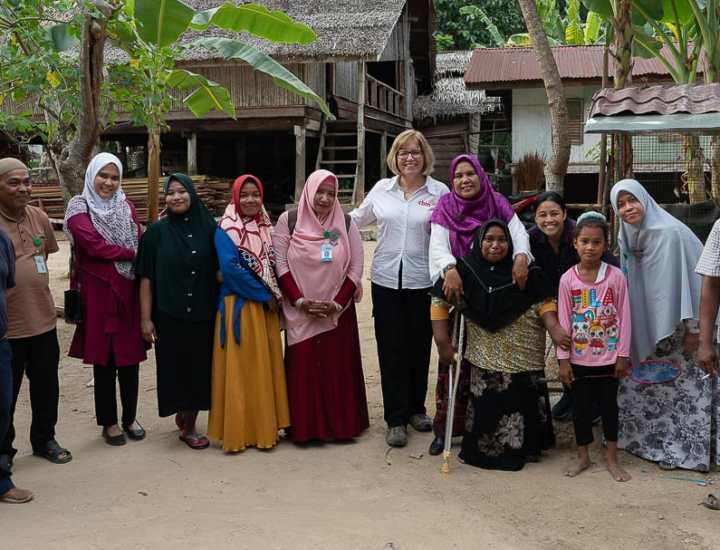
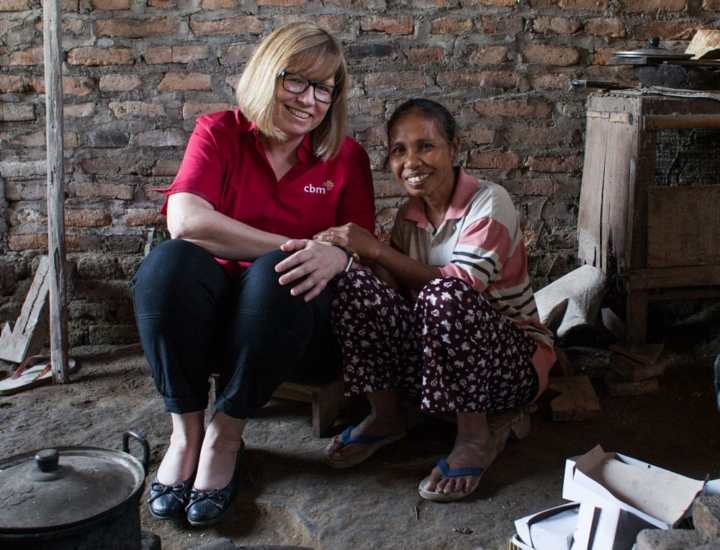
A message from CEO Jane Edge
“More than 115 years ago, a German pastor had a vision of a better future for people with disabilities… a vision that embodied the love of God. It’s a love that never gives up as it reaches out to those who are the hardest to reach – the invisible and the forgotten. No-one should be left behind.
“Ernst Christoffel was his name, and it was his vision and his faithfulness in stepping out with those first few small acts of mercy that led to the formation of CBM, a Christian international development organisation devoted to transforming the lives of the world’s most overlooked and neglected people, just as Jesus did when He was on Earth.
“Now CBM is a global leader working with and for people with disabilities who live in the poorest communities. We invite everyone to join us in this mission.”
Our latest stories from the field
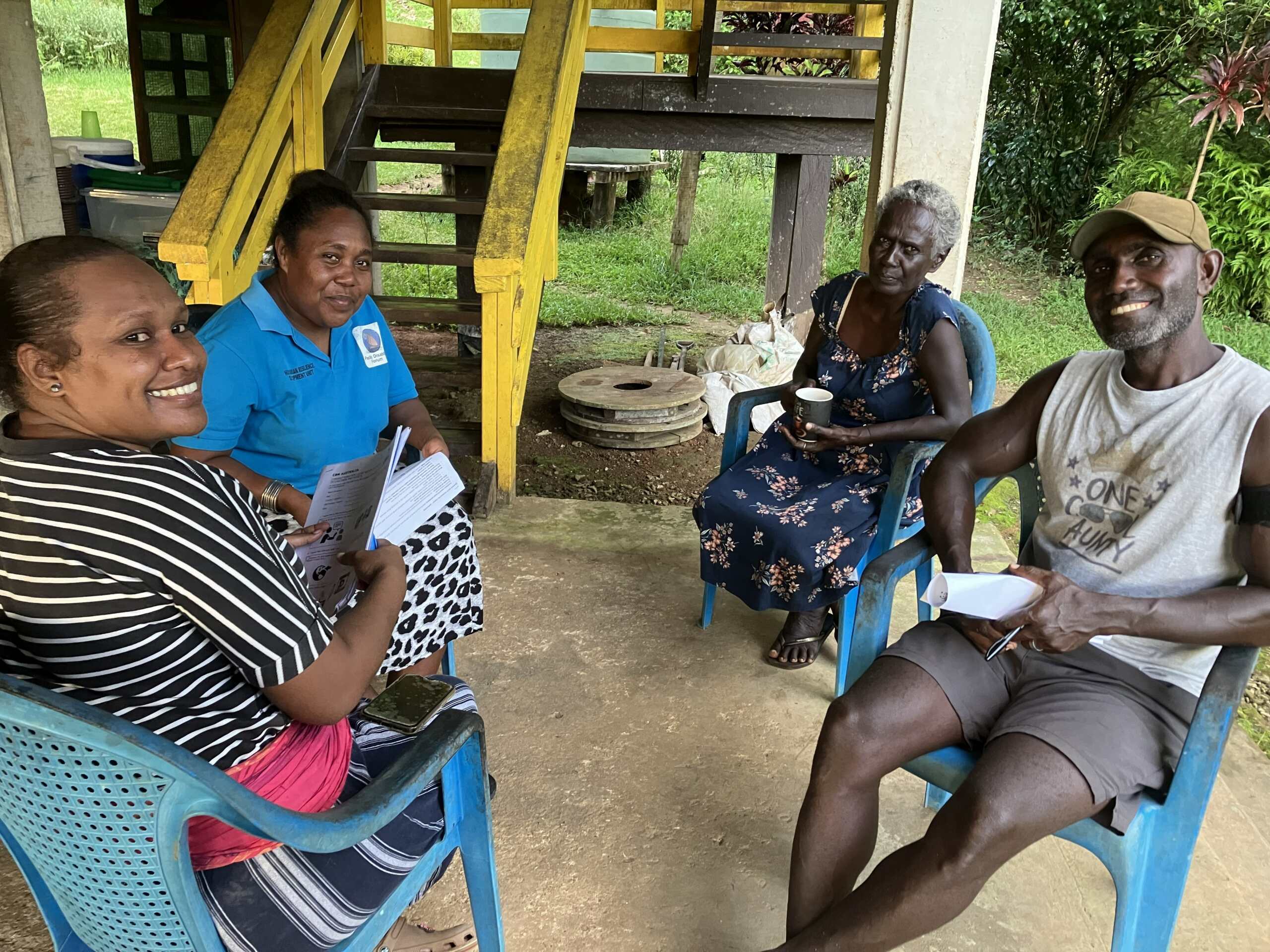
Pacific Leadership, Disability Inclusion and the Road to COP31
Learn how CBM is preparing for COP31.
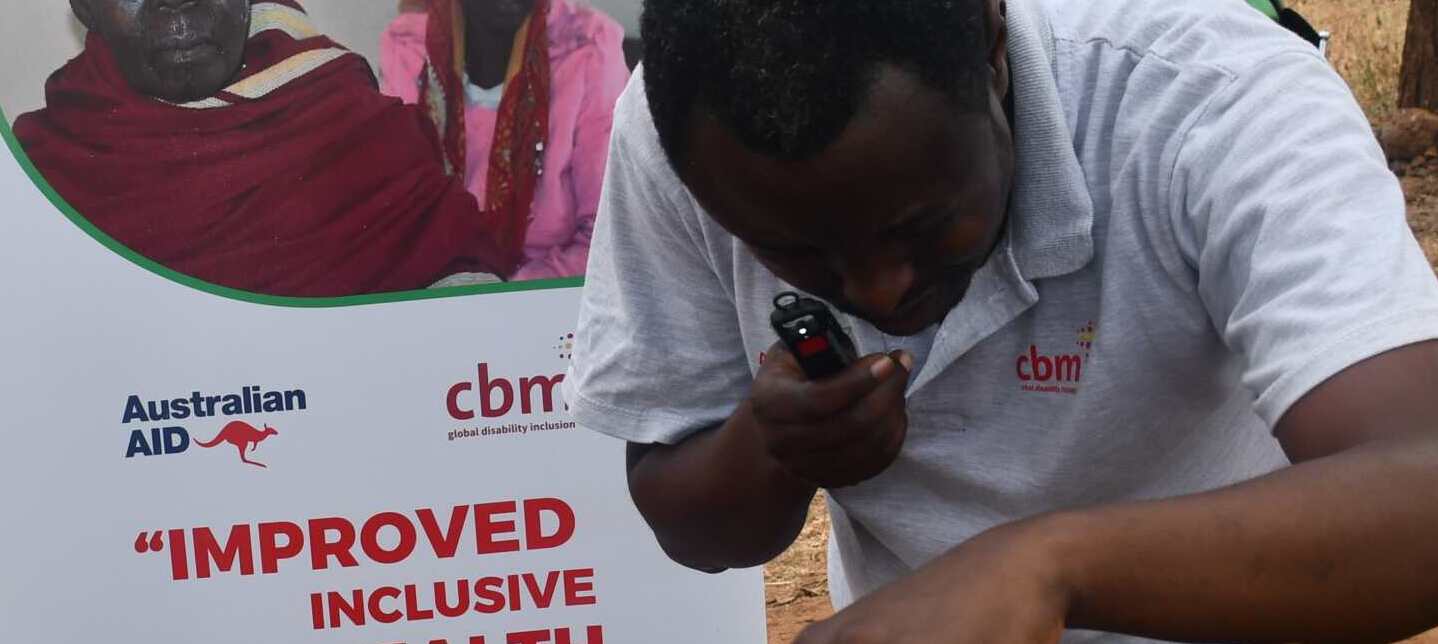
How inclusive eye care is bringing care closer to home in Kenya
Learn how CBM and local partners are expanding inclusive eye care in Kenya, bringing...
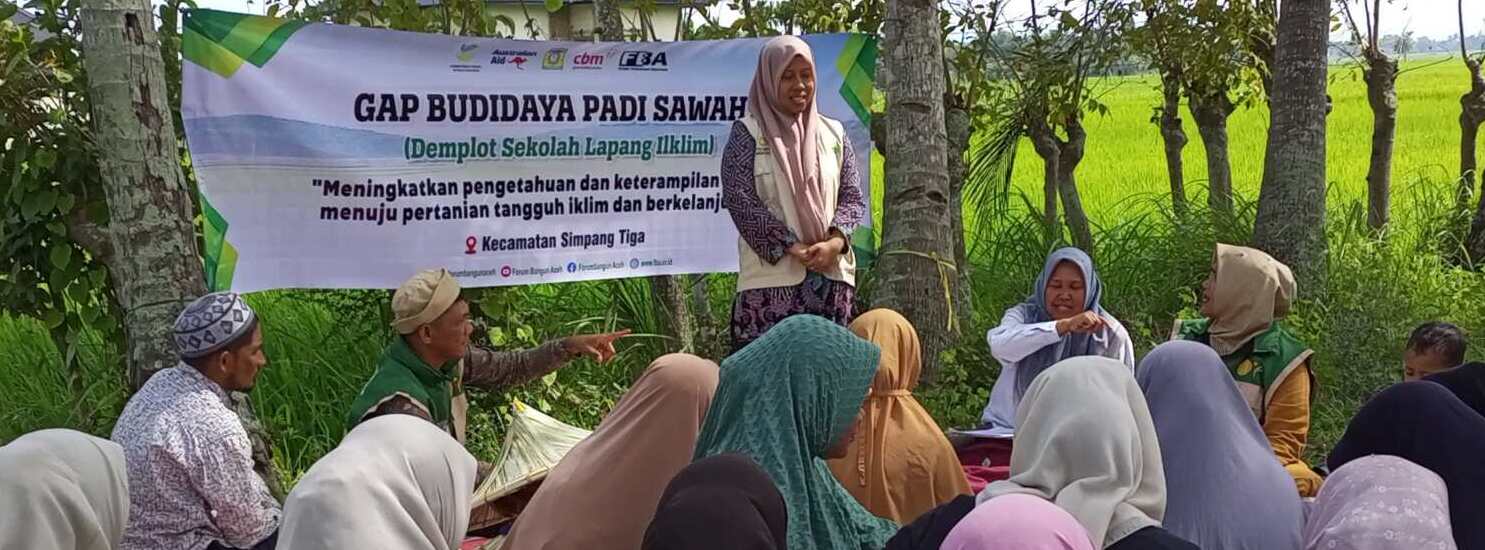
What is an inclusive Climate Field School and how are they helping communities adapt in Aceh, Indonesia?
Read about individuals in Indonesia learning climate-smart farming techniques...
CBM began in 1908, when German pastor Ernst Christoffel travelled to Malatia, Turkey, and opened a home for blind and orphaned children called the Christoffel Blindenmission (Christian Blind Mission).
Christoffel referred to the neglected children with disabilities in his care as Nobody’s Children. After being expelled from Turkey in 1919, he opened a new home in Tabriz, Iran, in 1925, then a second in Isfahan in 1928.
Christoffel was arrested during WWII and imprisoned for three years for refusing to abandon those in his care. He returned to Isfahan in 1951, at 70 years old, and died there on 23 April 1955. His headstone reads: Father of the Blind, Deaf and Mute, and Orphans.
CBM performed its first cataract surgery in 1966, and in 2007 the international movement shortened its name from Christian Blind Mission to simply CBM. Australia began mobilising around CBM’s work in the early 1970s, formally joined the CBM International alliance in the late 1970s, and became a founding member of CBM Global Disability Inclusion in 2020. Today CBM Australia has more than 45 years’ history here, and CBM has more than 115 years internationally.