

Fairer climate finance: why people with disabilities must not be left behind at COP31
Stories | Published: November 9, 2026
As world leaders gather for COP31, CBM is highlighting the need for disability-inclusive climate finance: why funding is failing to reach people with disabilities and why their leadership is essential to achieving climate justice.
The need for fairer climate finance has never been more urgent. Communities around the world are already experiencing devastating floods, droughts and extreme heat. And with scientists warning that a strengthening El Niño could intensify extreme weather, the risks are growing.
People with disabilities are often among those most affected by climate change, including extreme weather events. Inaccessible early-warning systems, evacuation routes and emergency shelters can put lives at risk. Poverty, discrimination and exclusion can make it harder to prepare for and recover from disasters.
Yet people with disabilities are too often excluded from decisions about the funding intended to help communities respond to climate change. It’s why climate finance must reach those most at risk, and why they must have the power to shape how it’s used.
What is climate finance and why must it be fairer?
Climate finance is funding that helps countries reduce greenhouse gas emissions and adapt to the impacts of climate change. It can support everything from flood protection and drought-resistant farming to renewable energy and more resilient communities.
But fairness matters. Countries that have contributed least to the climate crisis are often among those facing its greatest consequences. Many are also struggling with debt repayments that leave less money for healthcare, education and social protection.
Fairer climate finance means providing accessible funding that allows countries to respond to climate emergencies effectively, without deepening debt burdens and without cutting essential public services. Crucially, it means ensuring people with disabilities influence how the money is spent and benefit from the solutions it supports.
Recognition is not inclusion: people with disabilities need a seat at the table
People with disabilities are experts in their own lives and communities. They understand the barriers that make climate emergencies more dangerous and have the knowledge, ideas and leadership needed to develop effective solutions. It’s why they must be heard on the global stage – including at the annual Conference of the Parties (or ‘COP’).
In February 2026, an historic breakthrough came when the UN Framework Convention on Climate Change officially recognised the Disability Caucus – a collective platform representing more than 120 organisations, including Organisations of Persons with Disabilities (OPDs) and disability-focused organisations worldwide. This recognition gives disability advocates a stronger, coordinated voice in global climate discussions.
COP31 is expected to see one of the largest Disability Caucus delegations yet. And for disability advocates attending COP31, the priority is turning recognition into real influence. This means ensuring people with disabilities can shape climate policies, challenge decisions and hold governments and institutions accountable.
As part of COP31, CBM will launch a report, Disability-Inclusive Climate Finance: The Road to COP31 and Beyond. Drawing on research undertaken in Kenya, Indonesia and Nepal, the report explores the persistent gap between commitments to disability inclusion and what happens in practice.
Turning commitment into meaningful action at COP31
COP31 is an opportunity to make climate finance fairer, more accessible and more accountable. It’s why CBM is calling on governments, international climate funds and decision-makers to ensure disability inclusion is built into climate financing decisions. We’re backing these calls with new climate finance research that will be launched at COP. Research that demonstrates the gap between commitments to disability inclusion and what happens in practice. As well as the steps needed to ensure people with disabilities and their representative organisations have the power to shape the decisions that affect them.
Image: Sarita stands where her home once stood in Nuwakot, Nepal, after the flash flood destroyed her house, personal belongings and business. Sarita has lived with a mental illness since the age of 14.
https://www.cbm.org.au/stories/fairerclimatefinance
Related Stories
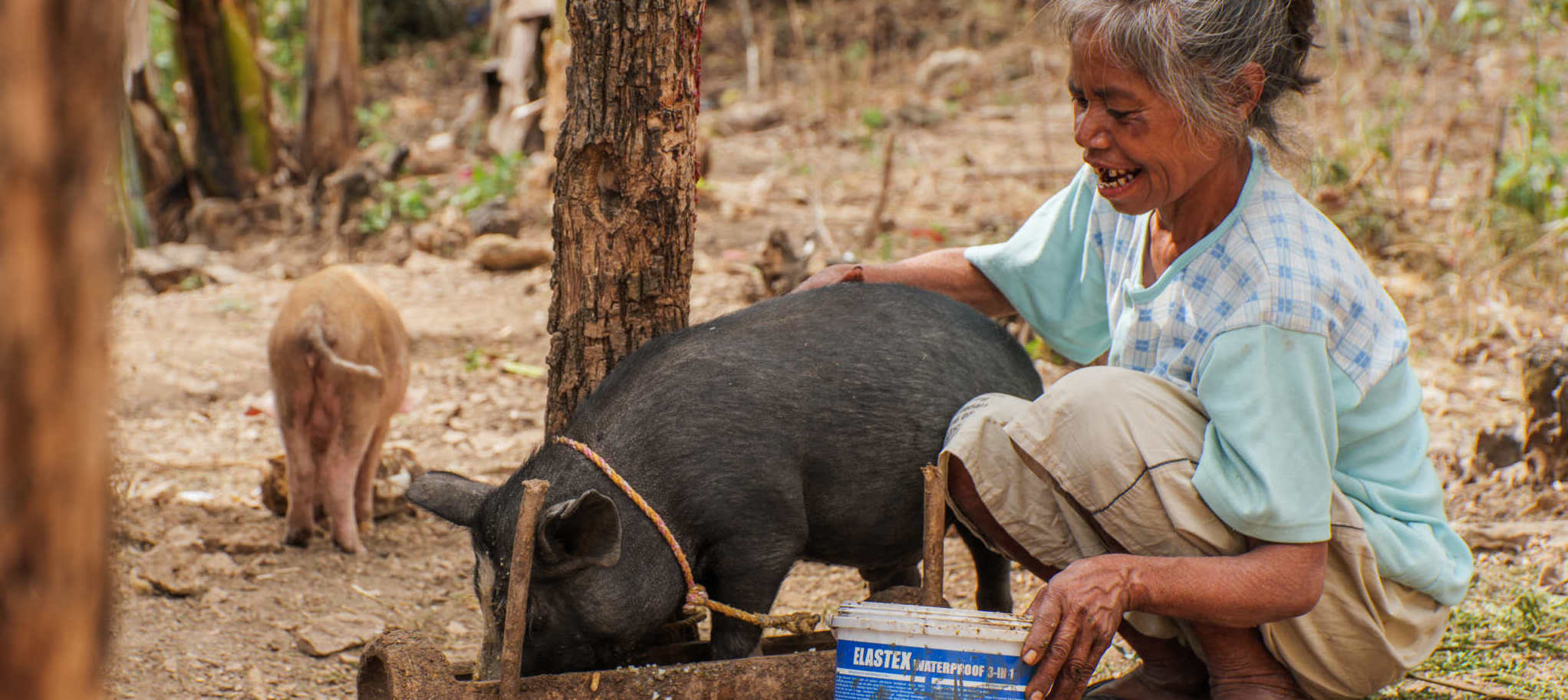
After Years of Isolation, Magdalena Found Her Way Home
After years of isolation following a devastating loss, Magdalena began her journey of mental...
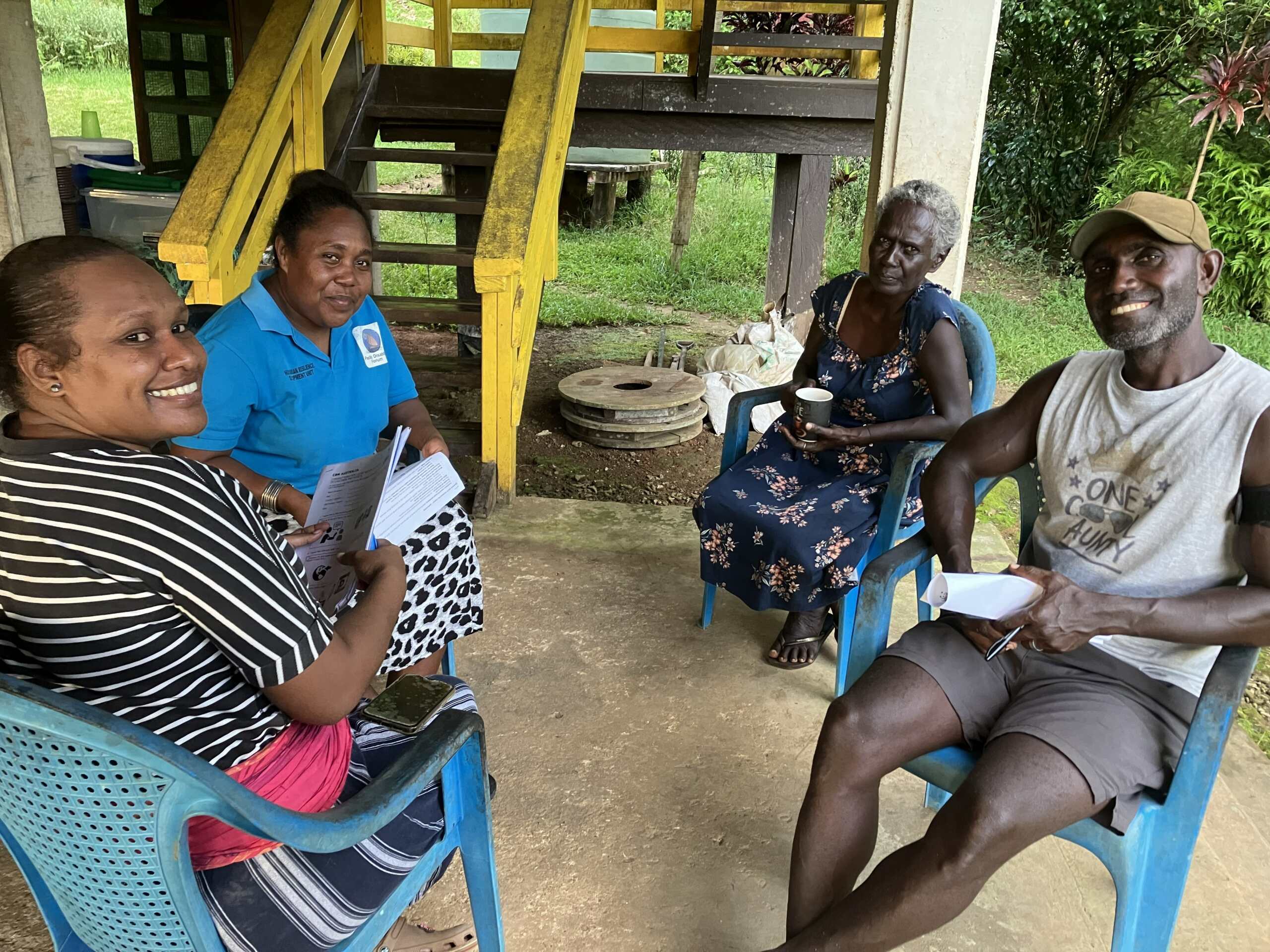
Pacific Leadership, Disability Inclusion and the Road to COP31
Learn how CBM is preparing for COP31.
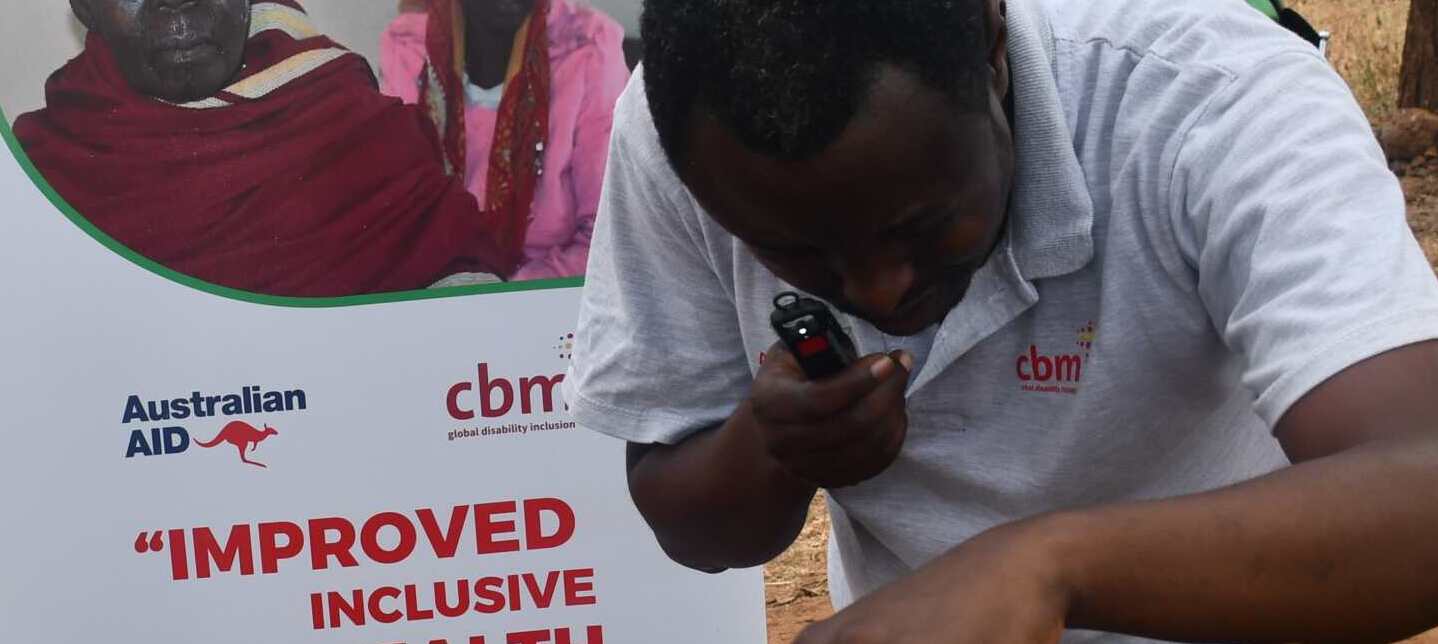
How inclusive eye care is bringing care closer to home in Kenya
Learn how CBM and local partners are expanding inclusive eye care in Kenya, bringing...