

COVID 19 and the challenge of delivering clear messaging around virus transmission in Indonesia
Stories | Published: April 28, 2020 | Updated: April 30, 2020
 In a global age, it accessing reliable information can be challenging and this problem harder still for people living in remote areas in low-income countries, or living with disabilities. During the COVID-19 global pandemic, the necessity and challenge of clear messaging is crucial in flattening the curve and protecting the health and well-being of groups at-risk of contracting COVID-19.
“What we need is information to educate us, instead of making us fearful. Like how we – as blind people who have physical guides and personal assistance – can apply physical distancing.” Rizky who is visually impaired and lives in Probolinggo in Indonesia, informs CBM Australia. Rizky’s statement hits a vital nail on the head: clear messaging around how to prevent the transmission of the COVID-19 virus needs to take into account the specific disabilities that groups might experience, and may require specific tailoring to suit people’s needs. And as Rizky notes for his experience, clear messaging around the prevention of the spread of COVID-19 needs to address how he can protect his health and well-being while recognising he requires a guide for support and that social distancing might be difficult. For Rizky, the other crucial aspect of this messaging is that it needs to ensure that it is delivered in way that does not induce unnecessary fear within the community and for people living with disabilities.
CBM Australia has been monitoring the situation currently in Indonesia. In collaboration with our Country Office, CBM Australia has been proactively considering new ways to deliver support and assistance in light of the global COVID-19 crisis, and the need for clear and concise messaging is at the heart of much of this discussion.
If you are able to, please support the world’s most vulnerable.
https://www.cbm.org.au/stories/covid-19-and-the-challenge-of-delivering-clear-messaging
Related Stories
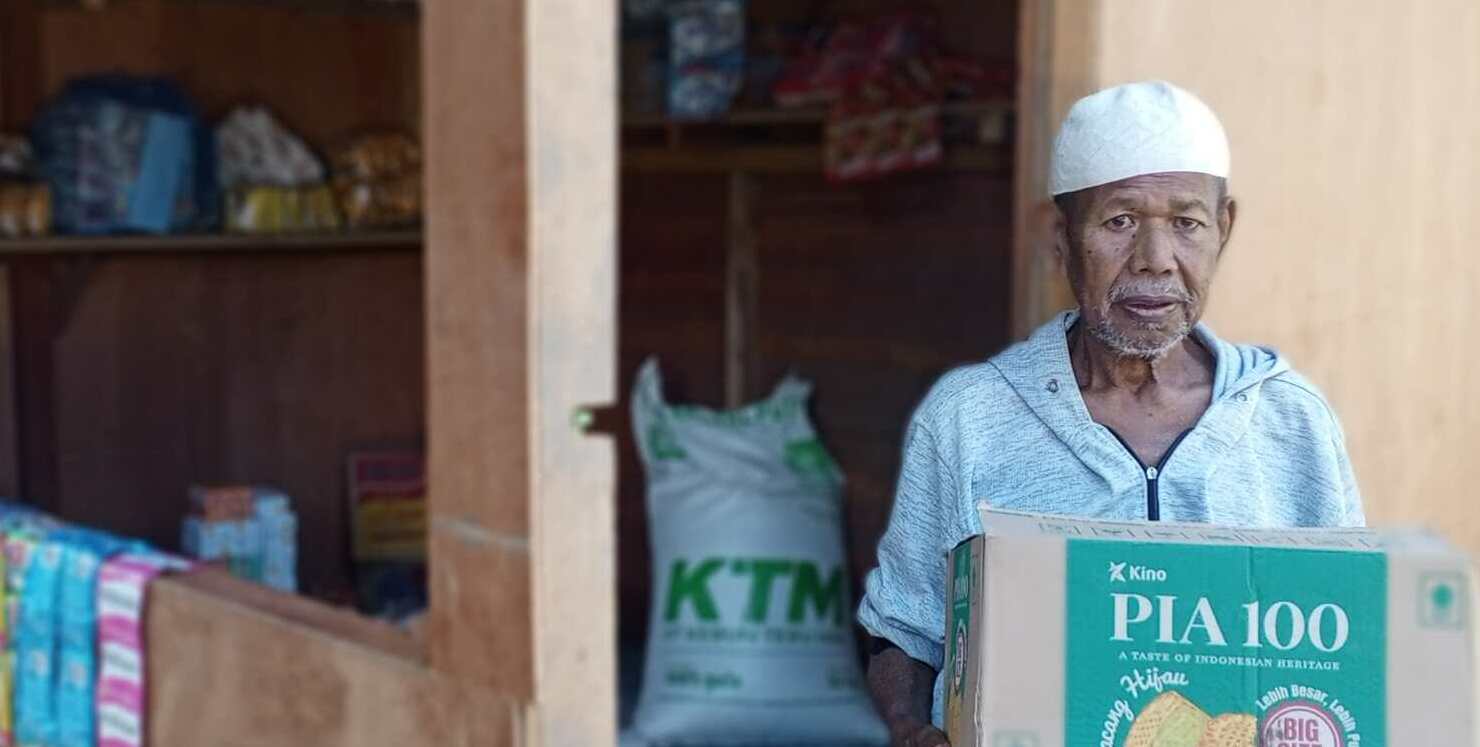
A small shop with a big future
Inclusive livelihoods in Indonesia helped Dasirah build a small business, support her family and create a more secure future in Aceh.
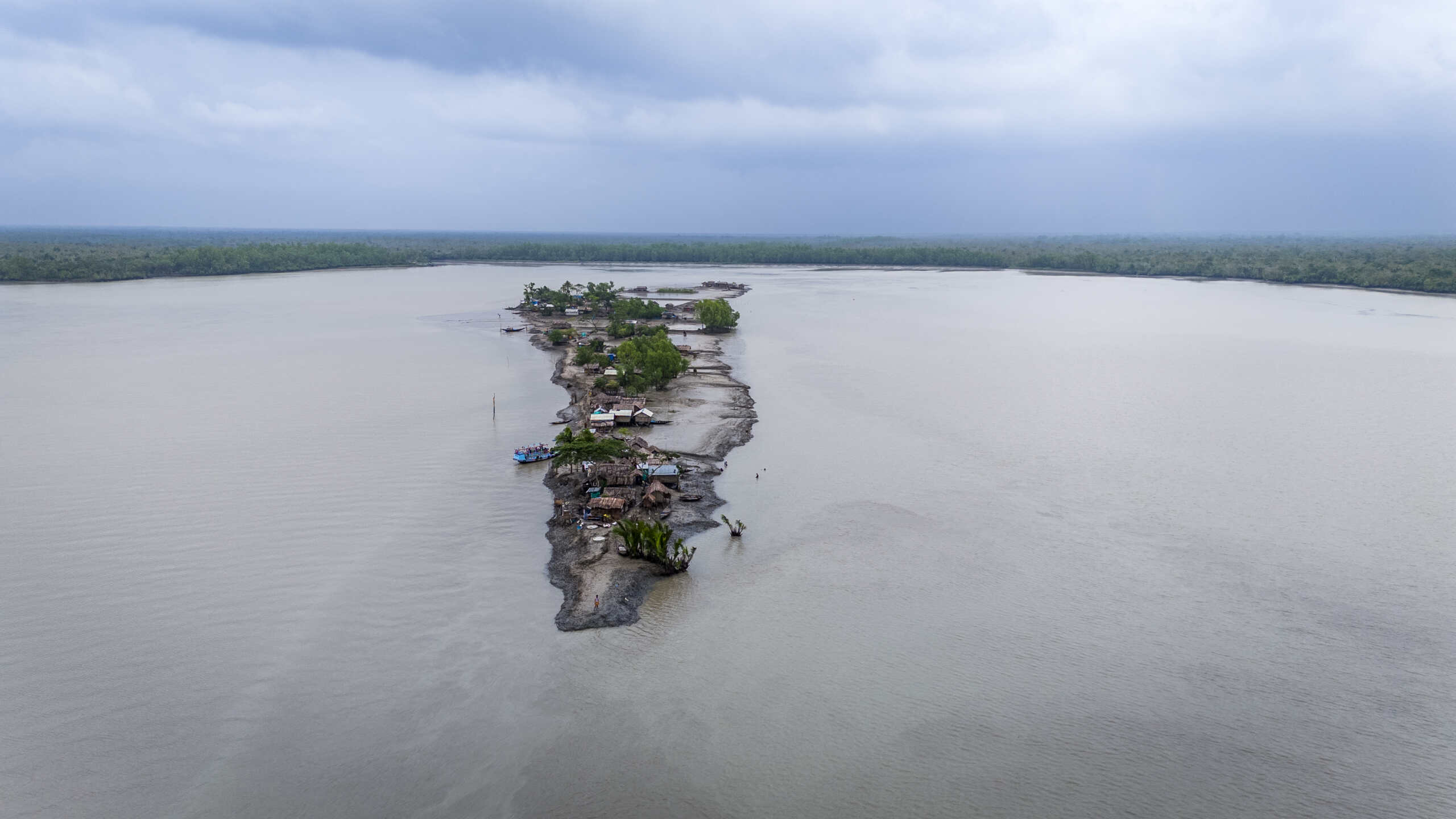
When a warning doesn’t reach everyone
Learn how disability-inclusive early warning systems in Bangladesh help ensure people with disabilities and women receive accessible disaster warnings
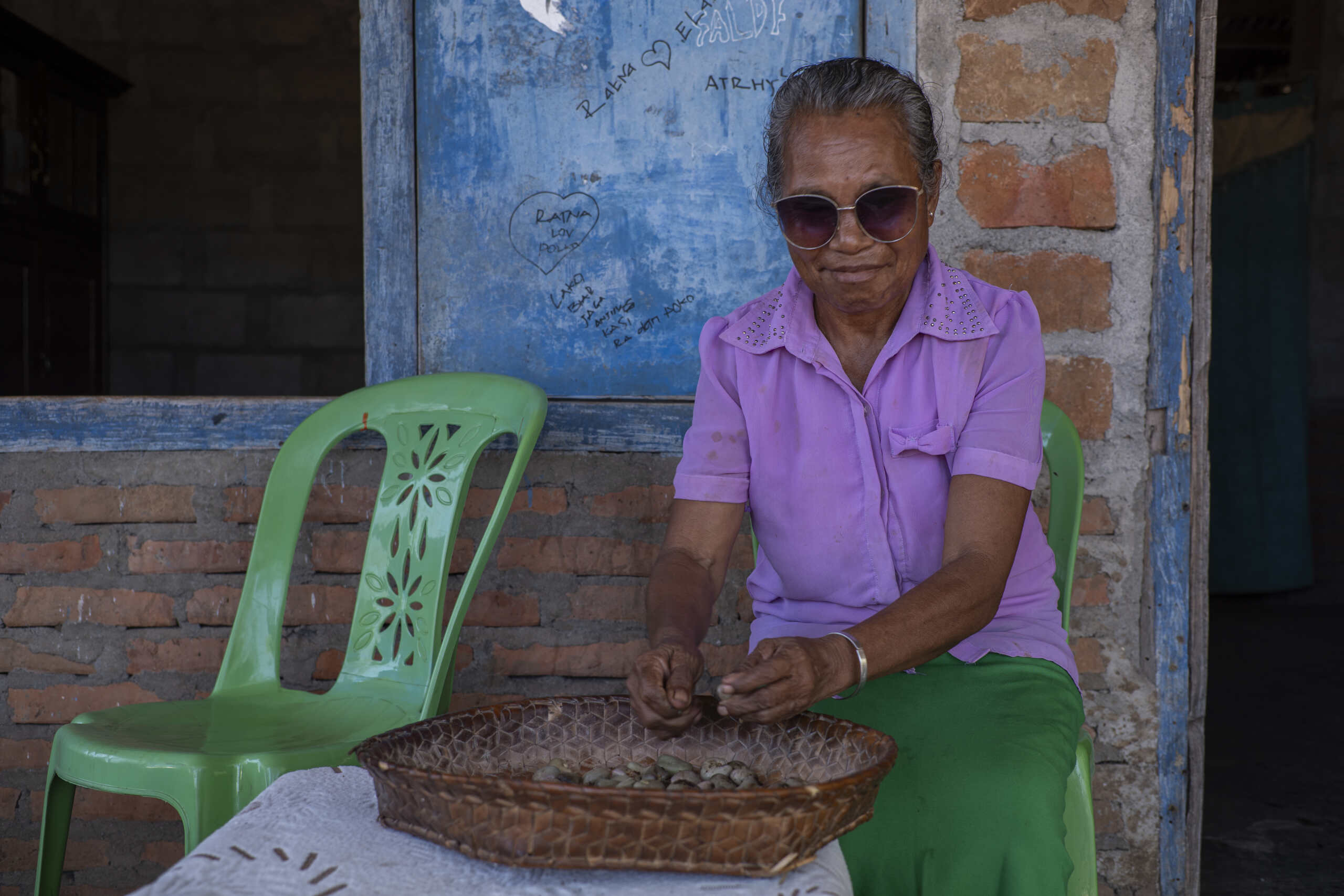
Building stronger eye health systems in Indonesia
Discover how the I-SEE Phase II project improved access to quality eye care in East Nusa Tenggara