

Shared work, stronger futures: how climate-smart farming is changing lives in Nepal
Stories | Published: July 20, 2026
Rashmita is 24 years old and lives in rural Nepal. Today, she grows vegetables with her family, providing food and a steady income. But life hasn’t always been this way.
Rashmita has a psychosocial disability and used to face many barriers. It was hard for her to find work or access training, and people in her community often didn’t understand disability. At home, she also carried a heavy load of unpaid care work.
But it wasn’t just Rashmita who faced challenges – her whole family did.
Her husband Rajesh has a speech-related disability, and her 65-year-old mother-in-law Gita has hearing, speech, and intellectual disabilities. Earning a steady income was difficult. The family often felt isolated and were seen as a burden by others in their community.
Things began to change when they joined a CBM-supported project that helps people with disabilities build sustainable livelihoods through climate smart farming.
The project recognised the importance of both gender equality and disability inclusion, and both Rashmita and her husband were supported to join a local Self-Help Group – a safe place where they could connect with others, build confidence, learn new skills, and understand their rights.
Slowly, they began to imagine a different future.
Together, they decided to start growing vegetables to earn an income. With support from the project team, they learned simple climate smart farming methods to cope with changing weather. They used plastic tunnels to protect crops, mulching to keep moisture in the soil, organic pesticides to manage pests safely and sustainably, and drip irrigation to save water.
They also learned to grow crops that suit the seasons and sell well in local markets, such as cucumbers, tomatoes, beans, and peas.
At home, everyone played a role.
Farm work was shared across the household based on each person’s abilities, with Rashmita taking the lead in managing the farm and selling produce. This shared responsibility helped build dignity, confidence, and a sense of purpose for the whole family.
The impact has been life changing.
The family now earns a steady income and has enough food to eat. They were even able to buy a small hand tractor, making work on the farm easier and more productive.
People in the community have also started to notice. Neighbours admire the well-managed farm, and attitudes towards disability are beginning to shift. Local government representatives are paying attention too, with the Municipality Chairperson showing interest in expanding similar inclusive, climate-smart approaches.
Today, Rashmita continues to be an active member of her local Self-Help Group, taking part in savings activities and ongoing learning opportunities.
Her story shows an important lesson: when gender equality, disability inclusion, and climate adaptation are addressed together, people and communities can build stronger, more sustainable futures.
CBM Australia acknowledges the support of the Australian Government through the Australian NGO Cooperation Program (ANCP) and thanks our implementing partner Support Activities for Poor Producers of Nepal.
https://www.cbm.org.au/stories/climate-farming
Related Stories
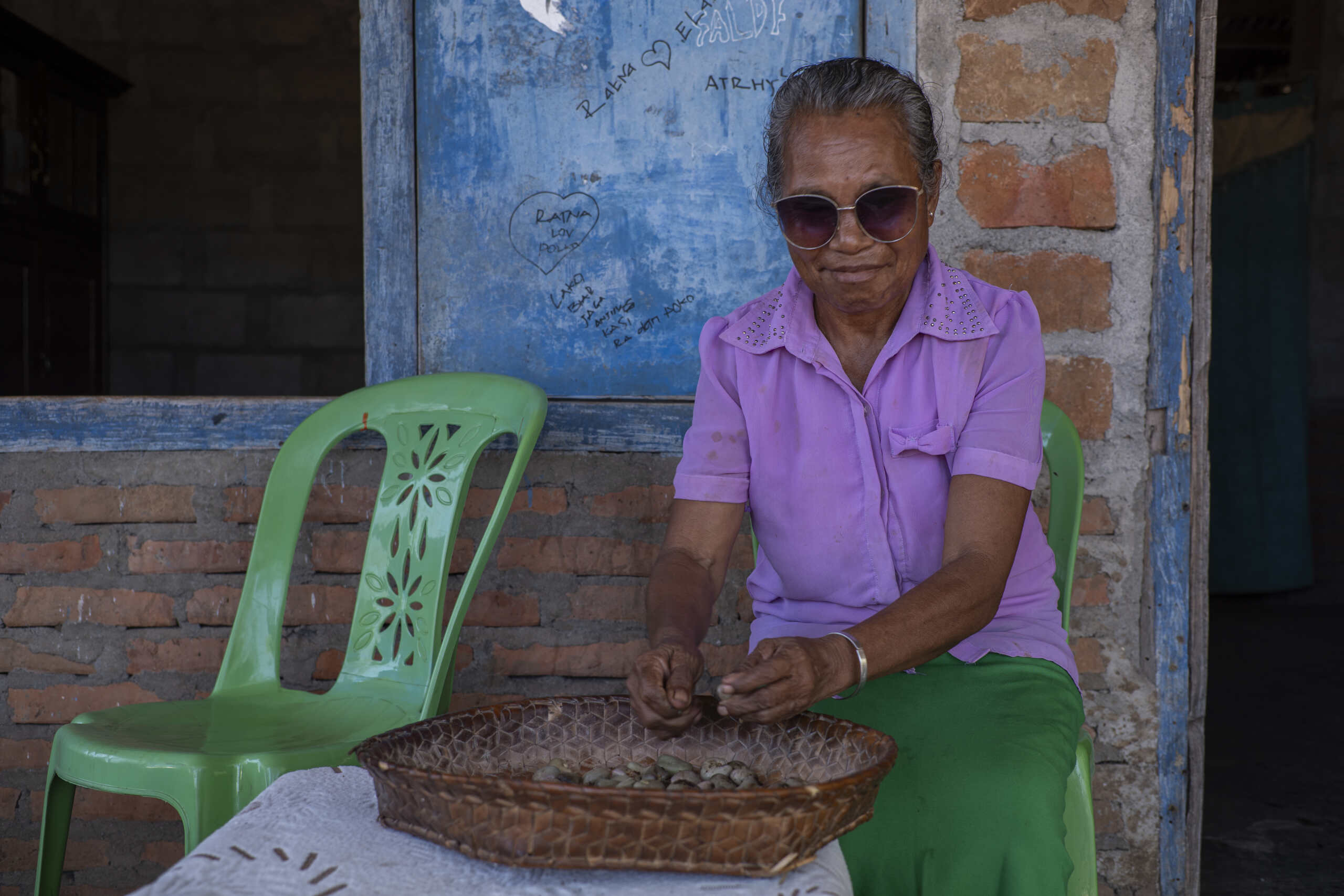
Building stronger eye health systems in Indonesia
Discover how the I-SEE Phase II project improved access to quality eye care in East Nusa Tenggara
Celebrating World Cerebral Palsy Day with Stevie
Discover Stevie's five tips for inclusive development and learn how to build more accessible communities this World Cerebral Palsy...
Seeing Beyond the Stigma: How one doctor is helping change attitudes to mental health in the Philippines
Meeting people beyond the stigma changed Dr Arman's life....