

I thank God that I am alive: Bhawana was moments from disaster
Stories | Published: September 2, 2026
For Bhawana, her husband Raju and their children in Nuwakot, the catastrophic floods came without warning.
It began like any other day. Bhawana carried the family’s washing down to the river.
“I was washing clothes on the riverbank and I didn’t know about the flood,” she says.
She has had limited vision in her left eye and a hearing impairment since she was a small girl. She cannot see things clearly in the distance. She did not see the water coming. She did not hear it either.
What saved her was her husband Raju’s voice.
“I came to know when my husband and neighbours called me to run,” she says. “After that I couldn’t remember, as I was in shock and worried about my two daughters.”
That morning, Raju, had walked one of their daughters to school. On his way home, he heard the warning.
“I immediately rushed home and brought my mother and wife to the safe area, along with the villagers,” he says.
Moments were all that stood between this family and the tragedy.
What the flood took
Bhawana and her family escaped with their lives. Almost nothing else survived. The water took their animals and tore through the home they had built.
“We lost four pigs and our house is also affected by the flood,” Bhawana says. “Our four-room small tin roof house is in a high risk flood zone. The flood took everything.”
Days on, the shock has not lifted from Bhawana. “It’s like a shock to me while remembering that incident.”
And still, she counts herself fortunate.
“I feel lucky. If my husband and the neighbours hadn’t called me, I would have died on the riverbank. I thank God.”
The family now sleeps on the floor of a school building, one of the holding centres where displaced families have been taken.
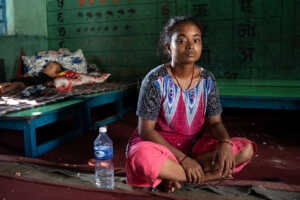
Pictured above: Bhawana and her sleeping child sitting on the ground and some slates in the holding centre.
“All our family is staying in the holding centre here in school from the day of flooding.”
Why disasters are so dangerous for people with disabilities
Both of Bhawana’s daughters also have vision impairments.
During emergency evacuations, people with vision and hearing loss are at increased risk, often unable to hear evacuation calls or move safely through hazardous, chaotic ground. People with disabilities are four times more likely to die in disasters.
She was not unlucky. She was unprotected.
Rebuilding will be even harder
Care was out of reach for this family long before the flood of mud and water came. Bhawan’s older daughter was given glasses after a doctor checked her eyes, and broke them two months ago, playing, the way children do. There was no money to replace them. A local doctor also examined her younger daughter and said she needs an operation in Kathmandu. There was no money for that either.
“I couldn’t do the treatment, neither provide glasses to my daughter, due to my poor financial situation,” Bhawana says.
That was before the flood took their animals, their clothes and their home. The treatment they could not afford then is even further out of reach now. Without support, rebuilding a life and paying for a child’s surgery is simply not possible.
How you can help
More than 900 people have died in these floods. Thousands are still missing. Most of those who survived are now in schools and holding centres, frightened, grieving and traumatised.
People need food, clean water, shelter, medical care, assistive devices and mental health support. People with disabilities need something more. They need someone to make sure the truck, the queue, the shelter and the message actually reach them. Many have lost the glasses, the crutches, the hearing aids and wheelchairs they depend on to move around, earn a living and reach critical, life-saving support.
CBM has worked alongside people with disabilities in Nepal since 1982, with local partners who know these communities. With them, we are providing assistive devices, mental health and counselling support in relief centres, and pushing for people with disabilities to be included in the response.
But we cannot reach families like Bhawana’s without you.
Please give today. Donate online or call 1800 678 069.
Bhawana lived because someone called out to her in time. Your gift is that voice for the next family.
https://www.cbm.org.au/stories/bhawana
Related Stories
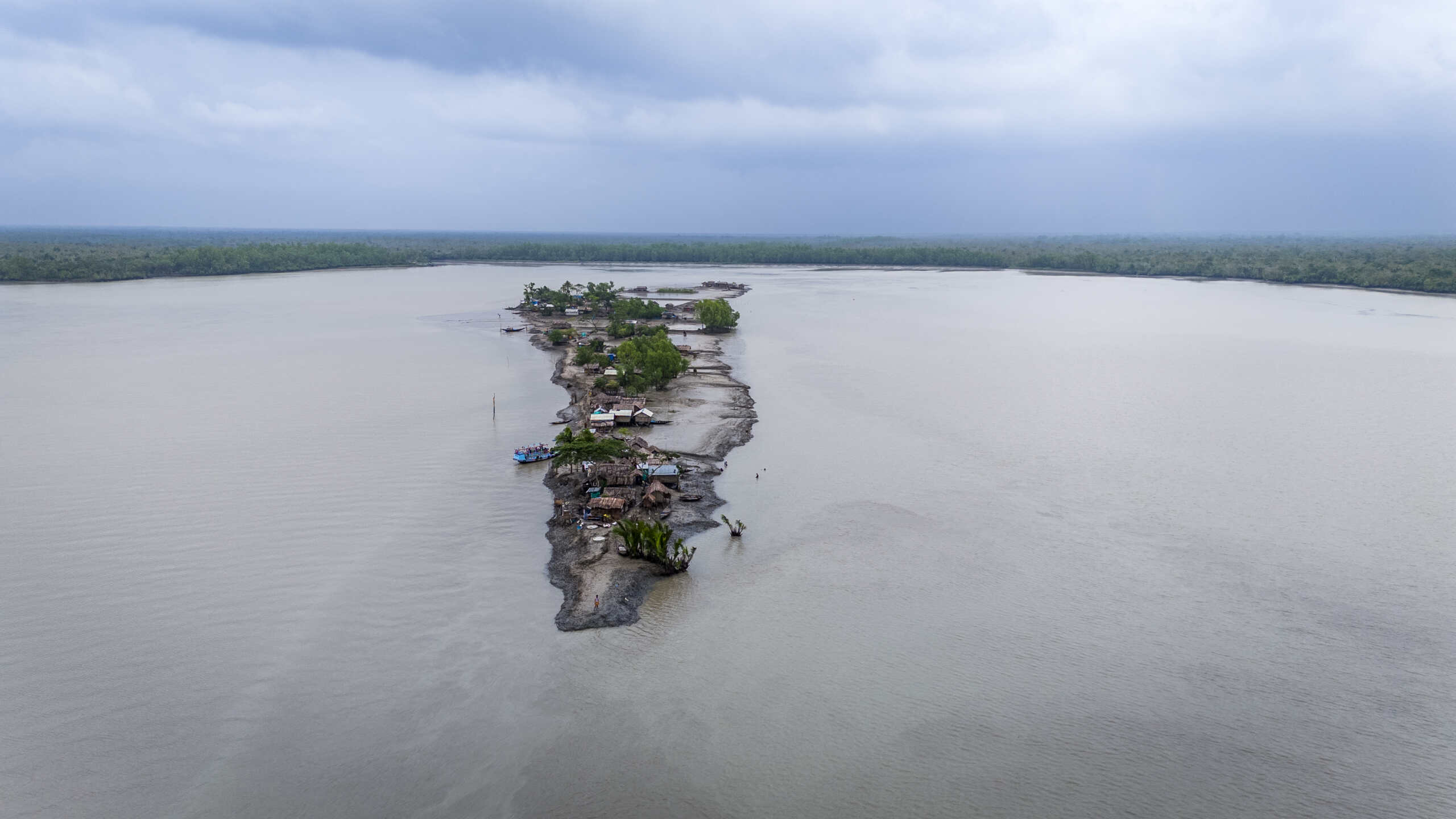
When a warning doesn’t reach everyone
Learn how disability-inclusive early warning systems in Bangladesh help ensure people with disabilities and women receive accessible disaster warnings
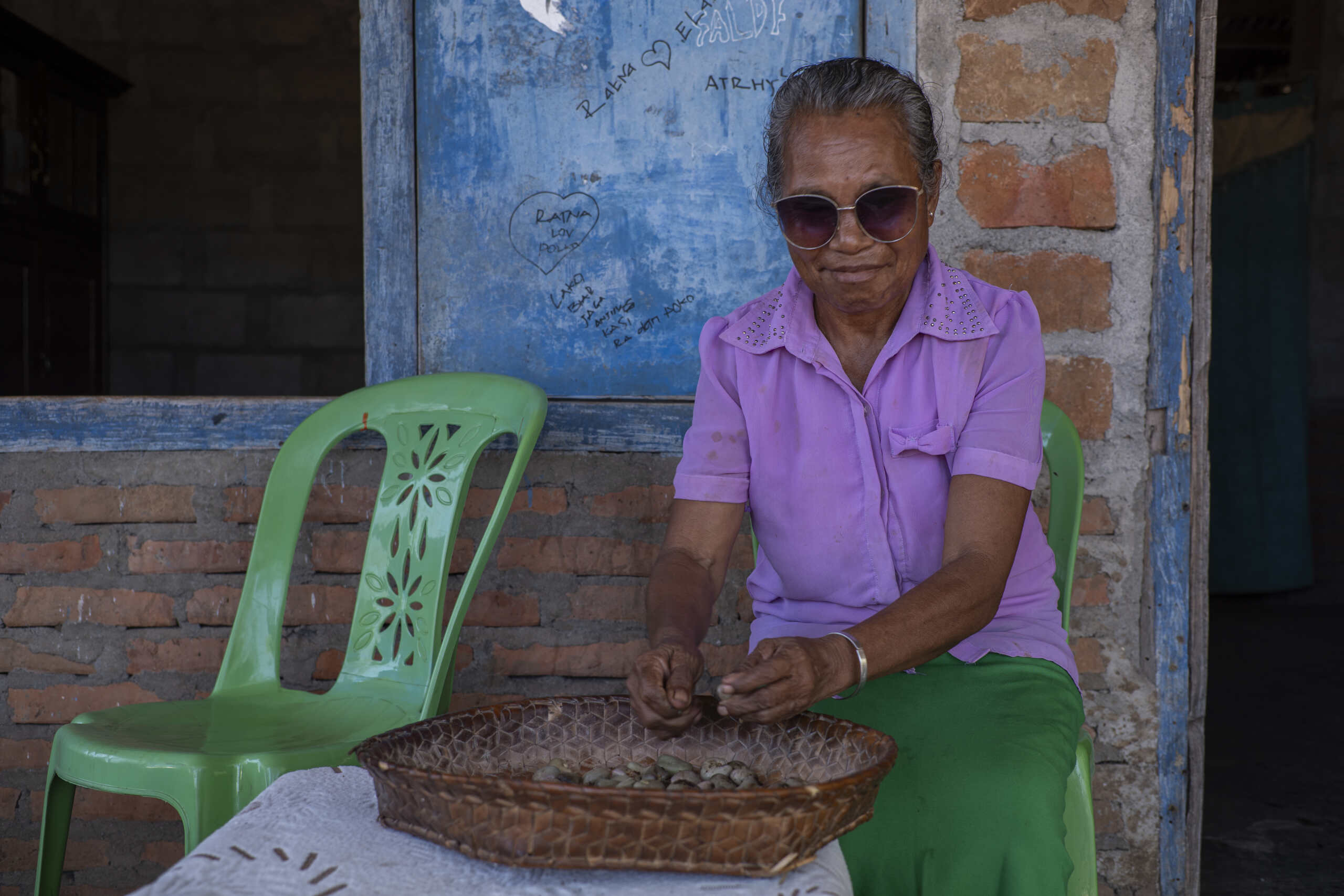
Building stronger eye health systems in Indonesia
Discover how the I-SEE Phase II project improved access to quality eye care in East Nusa Tenggara
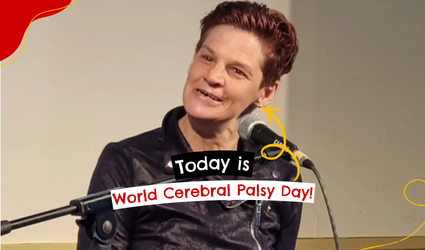
Celebrating World Cerebral Palsy Day with Stevie
Discover Stevie's five tips for inclusive development and learn how to build more accessible communities this World Cerebral Palsy...